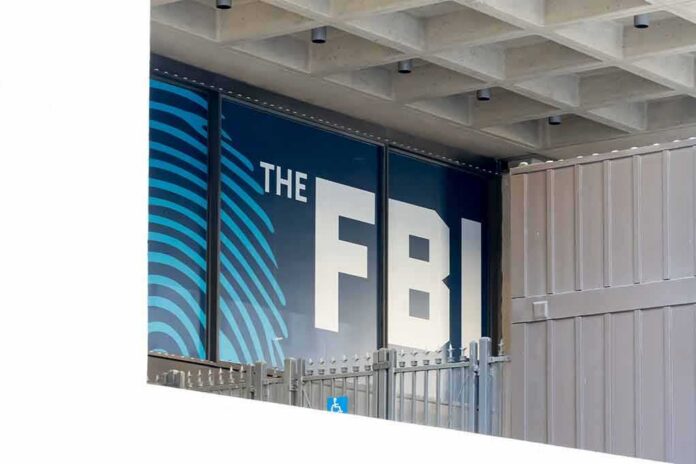
The Federal Bureau of Investigation quietly relaxed an automatic hiring ban tied to bestiality, triggering a Senate showdown and sharp questions about standards.
Story Snapshot
- Kash Patel told senators the change aims to prevent victim punishment, not hire offenders.
- Reports say the FBI dropped automatic bars for bestiality and some other conduct, shifting to case-by-case review.
- Senators pressed Patel that memo language covered people who “engaged” in the acts, not only victims.
- Federal rules often mix bright-line bans with individualized suitability judgments, fueling this dispute.
What Changed And Why It Sparked A Clash
Senators pressed Federal Bureau of Investigation Director Kash Patel after reports said the bureau ended automatic disqualification for applicants who engaged in bestiality, among other past conduct. Patel said the move was designed to avoid punishing victims of trafficking or coercion and to allow case-by-case review under the same rigorous hiring standards. A prior report said the shift came through an internal memo and removed several automatic bars for new applicants.
Democrats and Republicans on the Senate Judiciary Committee demanded clear lines. They asked whether the rule now lets people who “engaged” in bestiality be considered even if they were not forced. Senator Dick Durbin argued that the updated language allowed consideration of such applicants rather than an automatic ban, pointing to the phrase “engaged in bestiality” as broader than a victim-only carveout. That wording dispute became the hearing’s central point.
Patel’s Defense: A Victim-Focused, Case-by-Case Review
Patel told senators the goal was to prevent lifetime penalties for those who were forced into degrading acts and later rebuilt their lives. He said applicants who claim coercion would still face the full screening process and suitability checks. He stated the bureau did not open the door to offenders and did not drop standards. He framed the change as aligning with individualized review that federal suitability practice already allows in limited, specific cases.
This approach matches a wider federal pattern. Federal personnel rules instruct agencies to weigh a person’s character and conduct and to judge suitability based on the whole record, not a single label. The Equal Employment Opportunity Commission has noted that federal suitability decisions consider context and time since the conduct, within set factors for risk and integrity. That lens helps explain why the bureau prefers discretion over blanket bans in edge cases.
The Critics’ Charge: Standards And Clarity Still Matter
Senators and outside critics said clarity is vital when trust in federal law enforcement is already strained. They argued that the memo’s reported wording appears to go beyond a narrow victim exception. They warned that easing an automatic bar risks a slow slide in standards, especially on conduct most Americans see as beyond the pale. They pressed Patel to reconcile his “victim” explanation with the language that referenced people who had “engaged” in the acts.
They also noted that the same reported memo adjusted other past disqualifiers, like solicitation of prostitution. That broader context led them to say the change looks like a pattern of lowering bars rather than a single victim safeguard. For many Americans, standards at the nation’s top law enforcement agency should be tighter, not looser, especially after years of controversy and politicized investigations.
What This Means For Trust, Safety, And The Rule Of Law
Americans want an agency that defends families, protects the innocent, and applies the law without fear or favor. A careful victim exception can fit those values if it is narrow, verified, and rare. But any hint that the bureau might welcome people with disturbing past acts will alarm many citizens. That is why senators demanded exact policy text, auditing steps, and data on how many applicants could qualify under the new review.
For conservatives, the standard is simple: keep predators out, help victims move on, and publish clear rules so the public can see the line. Case-by-case review should never mask soft standards. If the Federal Bureau of Investigation intends a strict victim-only exception, it should state that plainly, release the memo, and show how adjudicators will verify claims and reject offenders. Transparency and firm boundaries will protect both victims and the badge.
Sources:
reddit.com, newrepublic.com, independent.co.uk, politicalwire.com