
Federal Bureau of Investigation analysts who branded “radical traditionalist Catholics” as potential extremists have now been fired, reigniting conservative anger over how deeply the old Biden‑era mindset had penetrated federal law enforcement.[1][4]
Story Snapshot
- At least five Federal Bureau of Investigation analysts tied to the Richmond memo on “Radical Traditionalist Catholic” ideology have been terminated under the Trump administration.[1][2]
- Internal and inspector general reviews said the memo broke analytic tradecraft rules but claimed there was no “malicious intent” or explicit religious bias.[1]
- House Judiciary Republicans documented how the Biden‑Wray Federal Bureau of Investigation relied on left‑wing, anti‑religious sources to paint Catholics as potential extremists.[3]
- The firings raise bigger questions about trust in federal law enforcement, religious freedom, and whether deeper cultural bias still lingers inside the bureaucracy.[1][3]
FBI Analysts Fired Over Richmond Memo Targeting Catholics
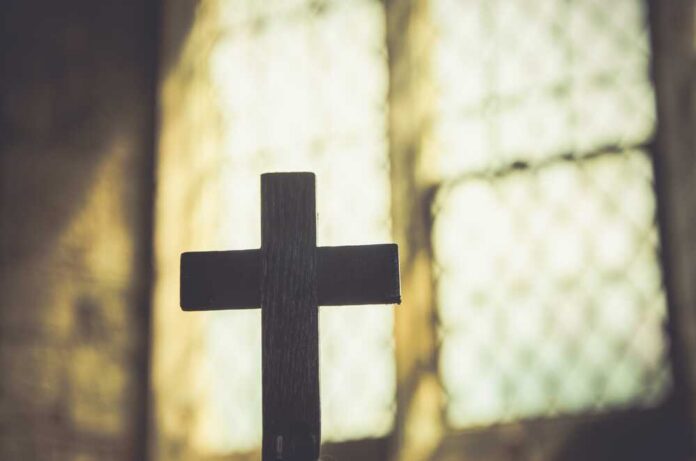
Multiple news outlets now confirm that the Federal Bureau of Investigation has fired at least five intelligence analysts who helped produce the infamous 2023 “Richmond memo” on so‑called “Radical Traditionalist Catholic” ideology.[1][2] That internal document, drafted in the Richmond field office in January 2023 and later leaked, attempted to link “ethnically motivated violent extremists” with traditional Catholic beliefs and practices.[1][4] The memo sparked immediate outrage among Catholics, conservatives, and religious‑freedom advocates who saw it as clear profiling of people of faith.[1]
Under former Director Christopher Wray, the Federal Bureau of Investigation initially responded by withdrawing the memo and issuing written admonishments, but no one lost their job.[2] Wray testified in December 2023 that the employees involved had been formally reprimanded in ways that affected their compensation, while he resisted calls for stronger discipline.[2] After President Trump returned to the White House and Director Kash Patel took over in 2025, the bureau revisited the case; Patel later testified that there had been both “terminations” and “resignations” tied to the Richmond memo.[2] The latest reporting indicates at least five analysts are now out.[1][2]
What Internal Investigations Said — And Did Not Say
An internal inspection by the Federal Bureau of Investigation in April 2023, followed by a review from the Department of Justice inspector general, concluded the Richmond memo failed to meet established analytic tradecraft standards.[1] Investigators found “errors in professional judgment,” “insufficient evidence,” and improper conflation of religious beliefs with indicators of violent extremism, serious findings for any intelligence product.[4] At the same time, those same reviews insisted there was “no evidence” of malicious intent, direct orders to target a specific religion, or overtly discriminatory comments by the analysts who worked on the memo.[1]
For many Americans, that split conclusion created deep frustration: the watchdogs admitted the work was shoddy but stopped short of calling it biased. House Judiciary Republicans later documented how the Richmond product drew heavily on left‑wing, anti‑religious sources that portrayed traditional Catholics through a political lens rather than objective security analysis.[3] Their report argued that the Biden‑Wray Federal Bureau of Investigation “manufactured a false narrative of Catholic Americans as violent extremists,” warning that under the banner of fighting domestic terrorism, the government had crossed a line into policing belief and liturgy.[3] That record helps explain why many conservatives see the recent firings not as politics, but as the overdue enforcement of basic fairness and professional standards.[3]
Religious Liberty, Trust in Government, and the Road Ahead
The Richmond memo landed in a broader climate where many conservatives already believed federal law enforcement had been weaponized against people of faith, parents at school board meetings, and other ordinary citizens.[3] By singling out “radical traditionalist Catholics” and citing attendance at Latin Mass or adherence to long‑standing doctrine as potential risk markers, the document seemed to confirm fears that the bureaucracy viewed traditional religion as a problem to be monitored.[4] Congressional oversight hearings amplified those concerns, as lawmakers pressed the Federal Bureau of Investigation on how far similar language and frameworks had spread inside the agency.[2][3]
Senator Chuck Grassley and House Republicans later revealed that the Richmond memo was not entirely isolated, pointing to a series of related internal references that used similar “radical traditionalist Catholic” terminology.[2][3] Their investigations framed the episode as a breach of religious freedom, warning that if Catholics could be profiled today, evangelical Christians, Orthodox Jews, or other devout communities could be next.[3] For many Americans, the recent terminations are a needed first step, but they do not erase years of mistrust created under prior leadership. The enduring question is whether the post‑Biden Federal Bureau of Investigation will fully abandon ideological litmus tests and return to a narrow, constitutional focus on criminal acts and real threats, not on the private beliefs of law‑abiding citizens.[1][3]
Sources:
[1] Web – FBI fires analysts who worked on memo about Catholic extremist …
[3] Web – FBI memo with ‘anti-Catholic terminology’ said to be distributed to …
[4] YouTube – Grassley Oversight Unveils Disturbing Extent of FBI’s Anti-Catholic …