
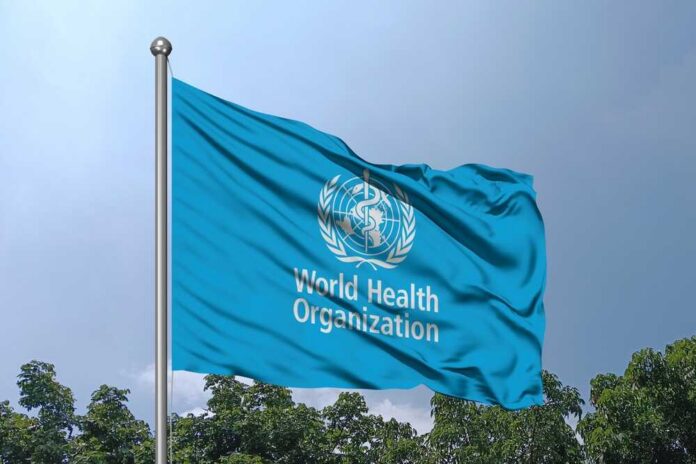
On his first day back in office, President Trump signed an executive order ending America’s 77-year relationship with the World Health Organization, then doubled down weeks later when a hantavirus outbreak emerged, declaring the nation in excellent shape without Geneva’s help.
Story Snapshot
- Trump signed Executive Order 14155 on January 20, 2025, formally withdrawing the United States from WHO and terminating approximately 500 million dollars in annual funding
- When questioned about reversing course during a February 2025 hantavirus outbreak, Trump stated he had no plans to reconsider and emphasized “We’re in very good shape”
- The withdrawal stripped WHO of roughly 16 percent of its operating budget while redirecting American resources to domestic health agencies like the CDC
- U.S. personnel stationed at WHO headquarters in Geneva were recalled, and all formal engagement with the organization ceased by mid-2026
The Day One Decision That Shocked Global Health
Trump wasted no time executing a promise he first floated in 2020. Executive Order 14155 landed on his desk within hours of taking the oath, severing financial ties and formal cooperation with an organization the United States helped establish in 1948. The Department of Health and Human Services framed the move as accountability for WHO’s failures during COVID-19, particularly allegations the agency covered for China during the Wuhan outbreak. Trump’s administration argued American taxpayers deserved better than funding an organization that prioritized Beijing’s interests over transparent pandemic response.
Hantavirus Emerges as the Ultimate Test Case
Timing proved everything. Just weeks after the withdrawal took effect, sporadic hantavirus cases surfaced domestically, transmitted through rodent droppings and urine in the American Southwest. Unlike COVID-19’s global spread, hantavirus remains endemic and regional, typically claiming victims through direct environmental exposure rather than person-to-person transmission. The Sin Nombre strain, responsible for the deadly 1993 Four Corners outbreak that killed half its victims, returned to test whether America truly needed international health coordination or could manage threats independently through the Centers for Disease Control.
The President’s Defiant Reassurance
Critics pounced, demanding Trump reconsider the WHO exit given the outbreak’s timing. His response cut through the noise with characteristic bluntness during a February 2025 appearance. Trump insisted America possessed superior domestic capabilities, rendering WHO membership redundant during actual health emergencies. The CDC’s established protocols for hantavirus surveillance and treatment proved his point as cases remained contained without Geneva’s input. His confidence reflected a broader philosophy that American medical infrastructure and research capacity outmatched any coordination benefits from international bureaucracies hamstrung by political compromise and Chinese influence.
Follow the Money and Personnel
The financial impact hit WHO immediately. Seven hundred million dollars in total American contributions vanished from budgets supporting global vaccination campaigns, disease monitoring networks, and emergency response teams. Hundreds of U.S. contractors and personnel stationed across WHO facilities received recall notices, their expertise redirected toward bolstering domestic public health infrastructure. The Department of Health and Human Services positioned America as reclaiming its role as the world’s leading health authority, but on bilateral terms that served American interests first. WHO scrambled to fill the funding crater while watching its largest contributor walk away.
The Sovereignty Argument Gains Traction
Trump’s decision resonated with Americans skeptical of multilateral institutions after COVID-19 exposed coordination failures and political posturing. The hantavirus response demonstrated that domestic agencies could contain regional threats without deferring to international committees. Conservative voices praised the move as overdue accountability, arguing WHO’s pandemic treaty negotiations and resistance to reforms justified abandonment. Heritage Foundation analysts echoed Trump’s sovereignty emphasis, noting the United States retained full capacity to engage in bilateral health partnerships without funding an organization that repeatedly failed transparency tests during genuine crises.
The withdrawal established precedent extending beyond health policy. Trump’s willingness to exit long-standing international commitments signaled a broader America First doctrine prioritizing national interests over institutional preservation. As the hantavirus situation stabilized under CDC management, validating Trump’s confidence, questions shifted from whether America could manage without WHO to why it had remained a member so long after the organization’s credibility collapsed.
Sources:
HHS Press Room: Fact Sheet on US Withdrawal from the World Health Organization
APIC: President Announces US Withdrawal from WHO