
A new policy threatens sanctuary city autonomy, sparking a clash over federal immigration enforcement.
Story Highlights
- Minneapolis Mayor Jacob Frey brands federal agents as an “occupying force.”
- Over 3,000 ICE and Border Patrol agents deployed amid protests.
- Federal investigation into local leaders for alleged obstruction.
- The Trump administration considers invoking the Insurrection Act.
Federal Agents Descend on Minneapolis
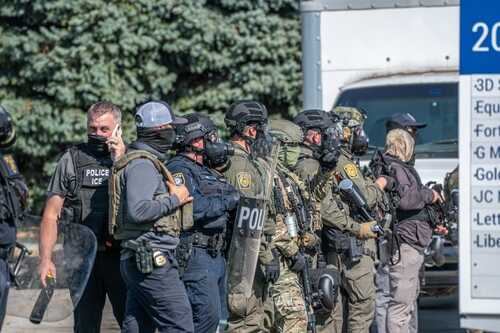
On January 18, 2026, Minneapolis Mayor Jacob Frey appeared on CBS News’ “Face the Nation” describing the deployment of over 3,000 federal agents from ICE and Border Patrol in Minneapolis as an “occupying force.” This influx comes amid rising tensions and protests following the fatal shooting of a woman by an ICE officer. The deployment has intensified clashes in the city, known for its sanctuary status, as federal actions are viewed as an overreach by local leaders.
Federal authorities claim the deployment is essential for enforcing immigration laws that have been undermined by local policies. The Justice Department has launched an investigation into Governor Tim Walz and Mayor Frey for allegedly conspiring to impede federal agents. This move has drawn criticism from local officials, who argue it is a political maneuver to suppress sanctuary city policies, a longstanding tension point between Minneapolis and federal immigration authorities.
Responses from Local and Federal Leaders
Mayor Frey’s statement has sparked a public debate, with his comments reflecting the frustrations of many Minneapolis residents who feel under siege by federal forces. Meanwhile, DHS Secretary Kristi Noem has advocated for creating peaceful protest zones to manage the rising tensions. President Trump has not ruled out invoking the Insurrection Act, a step that would escalate federal intervention and could further strain local-federal relations.
As protests continue, the Minnesota National Guard has been mobilized but remains on standby. The possibility of deploying 1,500 active-duty soldiers remains a looming threat, underscoring the federal government’s determination to enforce immigration laws despite local opposition. The situation highlights the growing divide between federal enforcement priorities and local governance in sanctuary cities.
Implications of Federal Intervention
The current standoff in Minneapolis serves as a microcosm of the national debate over immigration enforcement and sanctuary city autonomy. In the short term, the presence of federal agents has heightened tensions and could lead to further unrest. Long-term implications include setting a precedent for federal override of local policies, potentially eroding trust between federal and state governments.
The economic impact of ongoing protests, including disruptions to businesses and heightened security costs, is a growing concern. Politically, this issue energizes conservative bases supportive of strict immigration enforcement while challenging Democratic strongholds committed to sanctuary city principles. The unfolding events in Minneapolis may influence future policy debates and electoral outcomes.
Sources:
CBS News – Active-duty soldiers on standby for possible deployment in Minneapolis
CBS News – Live updates on Minnesota protests and ICE shooting
CBS News Video – Minneapolis Mayor Jacob Frey says federal agents are an “occupying force”
NBC Right Now – Trump admin orders 1,500 troops for possible Minnesota deployment