

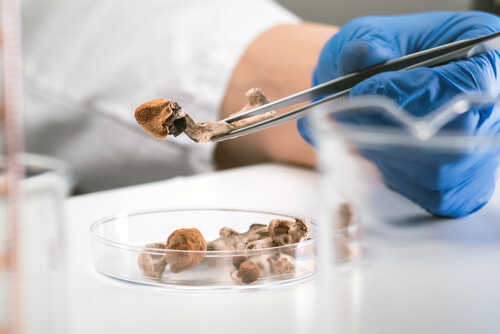
A groundbreaking study reveals that a single dose of psilocybin—the active compound in “magic mushrooms”—can simultaneously reverse chronic pain and depression within 24 hours, offering hope for millions suffering from conditions that traditional pharmaceuticals have failed to adequately address.
Story Highlights
- Penn Medicine researchers demonstrate psilocybin’s dual-action relief of pain and depression in preclinical studies
- Single dose provides rapid, sustained improvement by targeting brain circuits rather than injury sites
- Breakthrough offers alternative to addictive opioids and ineffective antidepressants plaguing American healthcare
- NIH-funded research published in Nature Neuroscience marks potential paradigm shift in treatment approaches
Revolutionary Dual-Action Discovery
Penn Medicine researchers led by Dr. Joseph Cichon published findings in Nature Neuroscience demonstrating that psilocybin simultaneously alleviates chronic pain and depression-like behaviors in mice within 24 hours. The study, conducted throughout 2024-2025, represents the first robust preclinical evidence showing dual-action relief from a single therapeutic intervention. Unlike conventional treatments that target symptoms at injury sites, psilocybin modulates brain circuits responsible for processing both pain perception and mood regulation.
The research addresses a critical gap in medical treatment, as chronic pain and depression frequently co-occur and exacerbate each other. Traditional approaches require multiple medications with limited efficacy and significant side effects, including the addiction risks associated with opioid pain management that have devastated American communities for decades.
Psilocybin-assisted group therapy may help reduce depression and burnout among healthcare workers | Eric W. Dolan, PsyPost
A new clinical trial suggests that a single dose of psilocybin, combined with mindfulness training, may offer short-term relief from depression and burnout… pic.twitter.com/44UoLcGawu
— Owen Gregorian (@OwenGregorian) October 5, 2025
Breaking Free from Failed Treatment Models
Dr. Cichon explained that psilocybin “bypasses the site of injury altogether and instead modulates brain circuits that process pain, while lifting the ones that help you feel better.” This mechanism represents a fundamental departure from existing pharmaceutical approaches that have enriched Big Pharma while leaving patients dependent on ineffective, costly treatments. The compound targets neural pathways simultaneously, offering what researchers describe as meaningful relief for both physical suffering and mood disorders.
The timing of this breakthrough coincides with growing recognition that America’s healthcare system has failed chronic pain sufferers. Decades of opioid prescribing created an addiction epidemic while failing to provide sustainable relief, while antidepressant medications show limited effectiveness and concerning side effects for many patients seeking mental health treatment.
Natural Medicine Versus Pharmaceutical Monopolies
Psilocybin represents a naturally occurring compound found in certain mushrooms, historically used in indigenous healing practices before government restrictions halted research in the late 20th century. The resurgence of psychedelic research since the 2010s has consistently demonstrated superior outcomes compared to synthetic pharmaceuticals for treatment-resistant depression, PTSD, and end-of-life anxiety. This Penn Medicine study extends those findings to chronic pain management.
The National Institutes of Health and American Society of Regional Anesthesia and Pain Medicine funded this research, indicating institutional recognition that alternative approaches may succeed where traditional medicine has failed. However, regulatory hurdles and pharmaceutical industry resistance could impede patient access to these breakthrough treatments, as has occurred with other natural therapeutic compounds.
Implications for American Healthcare Freedom
The research findings suggest potential disruption of traditional pain and depression treatment markets worth billions of dollars annually. If human clinical trials replicate these preclinical results, patients could gain access to single-dose treatments that provide sustained relief without ongoing pharmaceutical dependence. This represents both economic opportunity for innovative healthcare and potential resistance from established medical interests invested in chronic treatment models.
Clinical trials at UCSF and other medical centers are currently testing psilocybin’s effectiveness in human patients, though comprehensive dual-action studies remain ongoing. The regulatory approval process will determine whether Americans can access these promising treatments or face continued restrictions favoring conventional pharmaceutical approaches that have demonstrated limited success in addressing the chronic pain and depression epidemic affecting millions of citizens.
Sources:
Penn Med Mushrooms Research – The Daily Pennsylvanian
Magic Mushrooms Show Surprising Power to Ease Pain and Depression – SciTechDaily
Psilocybin Research Study – Nature Neuroscience
Penn Medicine Psilocybin Targets Brain Circuits – Penn Today