
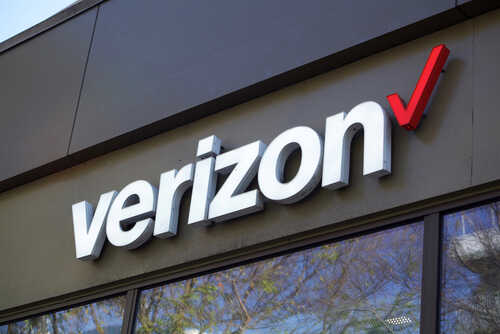
Verizon’s repeated failure to ensure reliable 911 services highlights systemic regulatory gaps, raising concerns about public safety and corporate accountability.
Story Highlights
- Verizon faced multiple 911 outages in 2022, affecting emergency call services across six states.
- The Federal Communications Commission imposed a $1.05 million fine on Verizon in 2024.
- Critics argue that the fine is insufficient to deter future outages and ensure accountability.
- Public trust in emergency services and FCC’s enforcement capabilities is at risk.
Verizon’s 911 Outage and FCC’s Response
In 2022, Verizon experienced significant 911 call outages in October and December, impacting hundreds of emergency calls across six southeastern states. The outages were a result of Verizon’s failure to follow established procedures during a network update. In response, the FCC imposed a $1.05 million fine and required Verizon to implement a compliance plan. Critics argue that the fine is too modest for a national carrier and fails to ensure future compliance.
Waste of the Day: Can You Hear Me Now? No. By @JeremyPortnoy https://t.co/aHuDLvuaGQ via @ConservNewsView
— Conservative News and Views (@ConservNewsView) January 10, 2026
Verizon’s network reliability issues are not isolated to 911 services. A large software-related outage in 2023 left over 23,000 customers unable to make calls or use mobile data nationwide. These incidents highlight broader vulnerabilities in Verizon’s network management and raise questions about the effectiveness of regulatory oversight.
Impacts on Public Safety and Trust
The 911 outages in 2022 exposed serious vulnerabilities in the telecom infrastructure, risking public safety by delaying emergency response services. The fine imposed by the FCC is seen as insufficient to deter future violations, emphasizing a regulatory failure to hold large carriers accountable. This incident undermines public trust in the reliability of emergency services and the FCC’s ability to enforce compliance effectively.
Additionally, non-911 outages have affected normal communication services, disrupting business operations and personal communications. The public’s dependency on mobile networks for critical services accentuates the need for robust and reliable telecom infrastructure.
Future Considerations and Industry Implications
The consent decree requires Verizon to enhance its risk management and process controls, particularly in implementing security policy updates. However, the relatively small penalty may not be enough to prevent future incidents. Industry-wide, this case signals a need for stronger enforcement measures to ensure reliable emergency communication services.
The telecom sector must address systemic issues related to software-driven networks, where misconfigurations can propagate widely, affecting large geographic areas and critical services. Ensuring the robustness of 911 services and public safety communications should be a top priority for regulators and carriers alike.
Sources:
Verizon outage leaves 23,000 stuck in SOS mode nationwide
Verizon fined for 911 call outage
Verizon to pay $1 million fine