Cuba’s “war footing” talk is colliding with a hard fact: U.S. military leaders say there’s no invasion plan—yet Havana is using the chaos from a deadly boat clash and crippling blackouts to rally for confrontation.
Quick Take
- A Feb. 25 firefight at sea left four dead and six wounded after Cuban forces intercepted a Florida-registered speedboat loaded with weapons and explosives.
- Cuban officials are framing the incident as “terrorism” and warning of possible U.S. military action, while Washington says the U.S. government had no role.
- President Trump’s January 2026 emergency order tightened pressure on Cuba’s fuel supply and highlighted hostile foreign ties as a national-security threat.
- U.S. Southern Command says it is not preparing an invasion, but is watching for embassy threats and a potential migration surge as Cuba’s power grid fails.
The Speedboat Clash That Sparked Havana’s Escalation Narrative
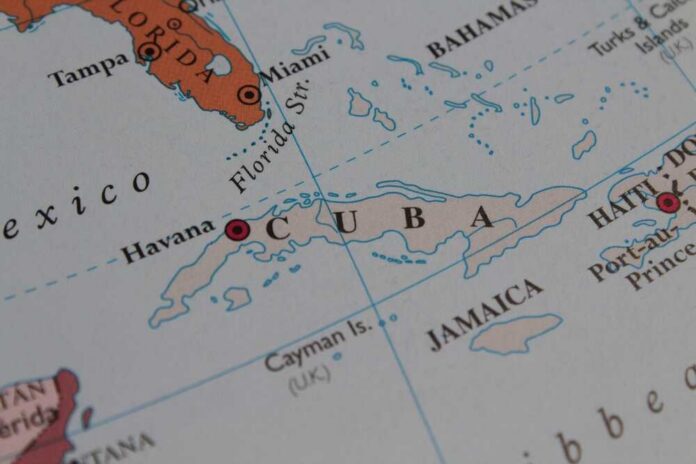
Cuban authorities say their border patrol intercepted a Florida-registered speedboat near Cayo Falcones in Villa Clara province on Feb. 25, 2026, and that occupants fired first, wounding a Cuban commander. Cuba says its forces returned fire, killing four people and injuring six, and later recovered weapons, explosives, and roughly 13,000 rounds of ammunition. U.S. officials deny involvement and say an investigation and independent verification are underway.
Key uncertainties remain because the most consequential details come from Cuban government accounts. The boat was also reported stolen from the Florida Keys, a fact that complicates easy narratives about who organized the trip and why. Even so, the seizure of weapons and explosives—if independently confirmed—separates this from routine interdictions tied to migration or smuggling and raises the stakes for regional security and U.S. border enforcement concerns.
Trump’s Cuba Pressure Campaign: Economic Leverage, Not an Invasion Plan
President Trump’s late-January 2026 executive order declared a national emergency regarding Cuba and sought to restrict the regime’s access to fuel by imposing tariffs on oil suppliers. The White House also cited Cuba’s relationships with foreign adversaries as part of the threat picture, placing Havana’s alliances back at the center of U.S. strategic thinking. For conservatives who watched years of soft-handed globalism, the posture signals economic coercion over open-ended military nation-building.
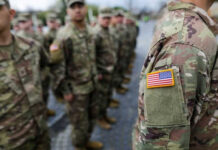
Military testimony in early March sharpened the distinction between tough policy and war planning. Gen. Francis Donovan, speaking for U.S. Southern Command, said the U.S. military is not preparing for a Cuba invasion and is not conducting rehearsals for one. Donovan emphasized readiness for more immediate contingencies: threats to the U.S. embassy and management of migration pressure if Cuba’s internal crisis worsens. That framing matters because it reduces the risk of Washington being baited into escalation by rhetoric.
Cuba’s Blackouts and Internal Strain Are the Real Pressure Point
Cuba’s domestic breakdown is the backdrop to its “war footing” messaging. Reports describe a nationwide grid collapse affecting roughly 10 million people, worsening shortages, and fueling protests—conditions that can push more citizens toward the Florida Straits. Analysts have tied the deepening crisis to Cuba’s energy dependence and disruptions to Venezuelan oil flows amid U.S. pressure. When basic electricity fails, regimes often lean on external enemies as a unifying story to maintain control.
That reality also intersects with constitutional and public-safety concerns at home. A destabilized Cuba can produce a sudden migration surge, straining U.S. border operations and Florida coastal communities—an issue that already resonates with voters angry over years of lax enforcement. The U.S. military’s stated focus on embassy security, Guantanamo Bay readiness, and contingency planning reflects a defensive posture. It also suggests Washington is measuring risk in practical terms rather than responding to Havana’s propaganda timetable.
Foreign Adversary Ties Keep Cuba in the National-Security Spotlight
U.S. concerns go beyond one firefight. It points to Cuba’s ties with Russia and China, including intelligence-related activity, which Washington views as a strategic threat in the Western Hemisphere. The White House position emphasizes “zero tolerance” for Cuba hosting adversarial capabilities. From a conservative perspective, this is the clearest constitutional-security angle: preventing hostile powers from gaining leverage close to American shores without stumbling into an unnecessary shooting war.
Political debate in the U.S. continues, with some lawmakers calling for tougher scrutiny of Cuba’s version of events and others pushing to ease the embargo. The facts support two simultaneous conclusions: Cuba is escalating rhetoric after a deadly incident, and U.S. commanders say there is no invasion plan. The gap between Trump’s tough talk and military restraint is where miscalculation risk lives—especially if verification of the boat’s origins and purpose remains incomplete.
Sources:
Cuba and U.S. tensions escalate
US military not preparing for Cuba invasion, senior US general says
Cuba Plunged Into Darkness: Nationwide Blackout Signals Deepening Crisis
Addressing Threats to the United States by the Government of Cuba