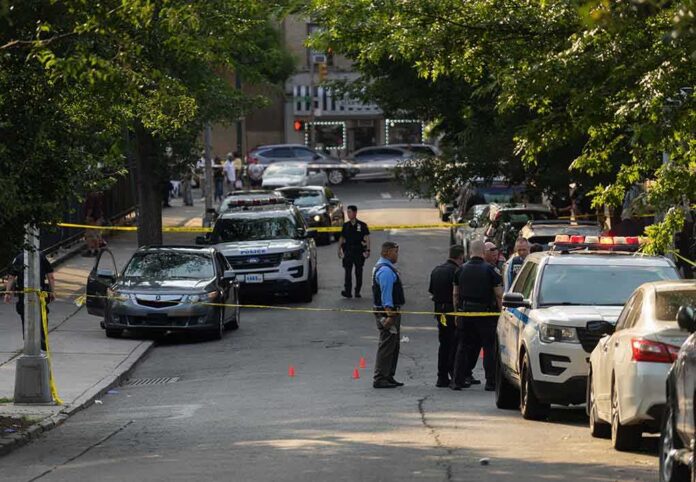
A sword attack at a Swedish high school left a 17-year-old girl dead and three others injured, jolting a nation that prides itself on safety.
Story Highlights
- Police detained an 18-year-old male suspect after the attack in Fagersta, Sweden.
- Officials confirmed one dead and three injured at Brinellskolan high school.
- Authorities said the public faced no ongoing threat as the probe advanced.
- Investigators are examining possible online ties and a pre-attack social post.
Confirmed Facts From Police And Officials
Swedish police and local officials said an 18-year-old man attacked Brinellskolan high school in Fagersta on August 21, killing one person and injuring three. Police moved quickly and detained the suspect. Early reports said officers shot him, but police later clarified he was not injured during arrest. Authorities told the public there was no ongoing threat as the investigation continued, and prosecutors placed the case under intense review.
The victim count remained steady across major outlets: one dead and three injured. Reports identified the fatality as a teenage girl, while two others suffered serious wounds and one had minor injuries, according to early hospital updates shared through media briefings. Officials received the first emergency call shortly after 2 p.m. local time and described a rapid, large response at the school, which enrolls hundreds of students. Names and full medical details were not released at the time of reporting.
What Investigators Are Probing Now
Police are examining possible online influence. Reuters reported a review of whether the suspect engaged with internet communities that praise school attacks. Investigators are also checking if a TikTok account that posted an image of a sword about 20 minutes before the assault belonged to the suspect. Officials have not announced a motive. Given past Scandinavian cases, police often start with digital footprints, isolation indicators, and any sign of copycat behavior when building a timeline and intent profile.
Authorities urged patience as they secure school video, talk with witnesses, and audit social media records. They aim to fix the timeline, weapon details, and the suspect’s route through the building. Police emphasized control at the scene to prevent panic and copycat risks. Reuters noted why this method matters: early errors, like the initial report that the suspect was shot, can spread fast before facts are settled, so officials now stress careful, verified updates.
Why This Matters To American Readers
Parents here know evil can strike fast, even in strict European settings with heavy rules and tight gun control. Sweden’s case shows that when a person plans violence, tools change but the threat stays. The lesson is simple: protect kids with alert staff, clear drills, secure entries, and strong law enforcement ties. Sweden’s police response and quick public assurance aimed to stop fear from spreading and to focus on catching facts, not rumors.
SWEDEN PROBES ONLINE NETWORKS AFTER SCHOOL ATTACK
Swedish police are investigating whether an 18-year-old man who attacked students at a high school with a sword on Aug. 21, killing one, was involved in online communities promoting school violence, a police source said.
READ:… pic.twitter.com/1M18W2y3kN
— PhilSTAR L!fe (@philstarlife) August 23, 2026
For Americans, digital risk is a key front line. Investigators in Sweden are testing links between the suspect and online spaces that glorify attacks, plus the reported pre-incident sword photo. That mirrors concerns at home about social platforms where violent content circulates and lonely young men find praise for harm. Families, schools, and local police can work together on early warnings while defending free speech and parental rights. Strong communities and clear consequences keep our kids safer than slogans ever will.
Sources:
humanevents.com, reuters.com, euronews.com