
A Chinese tech giant is dragging the Pentagon into court, and the fight could reshape how America defends itself against Beijing’s digital reach.
Story Snapshot
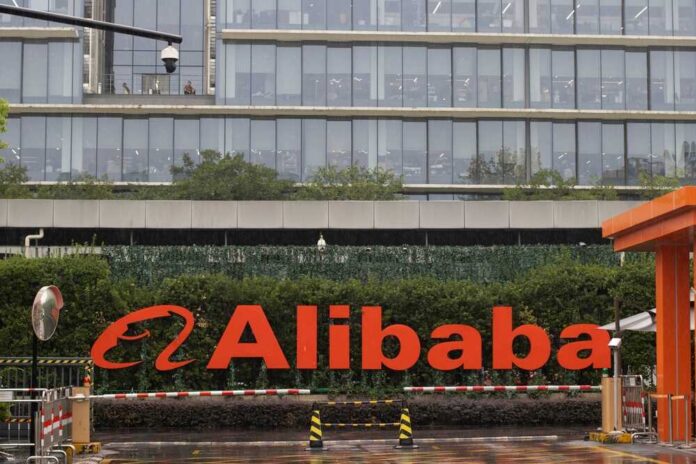
- Alibaba was added to a Pentagon list of 188 “Chinese military companies” on June 8, 2026, then hit back with a federal lawsuit in California.[6][1]
- The blacklist blocks the Pentagon from buying Alibaba’s cloud and tech services starting June 30, 2026, with even tighter rules coming later.[7]
- Defense officials say Alibaba is tied to China’s military‑civil fusion system through state ministries and regulators, not direct weapons work.[6][18]
- Alibaba claims the designation has “no basis in fact or law,” calls it arbitrary, and says its business is commercial, not military.[5][11]
Pentagon Blacklists Alibaba Under China Military Law
The United States Department of Defense placed Alibaba on its Section 1260H list in early June, marking the company as a “Chinese military company” operating in America.[6] This list was created by Congress in the 2021 National Defense Authorization Act, which orders defense leaders to flag Chinese firms linked to that country’s military or its support system.[18] The updated roster now covers 188 entities, including major tech names like Alibaba, Baidu, BYD, Nio, and others in chips and robotics.[6][20] For conservative readers, this shows Washington finally treating Chinese tech as a serious national security issue after years of globalist denial.
Section 1260H uses a very broad definition of what counts as a “Chinese military company.” It does not only mean firms owned by the People’s Liberation Army. It also includes companies seen as “military‑civil fusion contributors” to China’s defense industrial base.[18][21] That phrase reflects Beijing’s strategy of blending civilian tech and research with military planning. Under this law, ties to certain Chinese state bodies are enough for a company to be listed, even without proof it builds weapons or runs battlefield systems.[18] This legal reach worries many who already fear unchecked government power at home.
Why Alibaba Was Targeted: Fusion, Cloud, and AI
The Pentagon’s own explanation paper says Alibaba is “indirectly affiliated” with China’s State‑owned Assets Supervision and Administration Commission, a powerful regulator that oversees major state firms.[9][6] It also points to Alibaba’s affiliation with the Ministry of Industry and Information Technology, a key planner of industrial and tech policy.[6][18] Based on these links, defense officials label Alibaba a “military‑civil fusion contributor” because it has received support through science and technology programs tied to Chinese military planning goals.[9][18] In other words, the case rests on policy and regulatory ties, not on public proof of direct weapons contracts.
Analysts note that the Pentagon is especially worried about dual‑use technologies, meaning tools that can serve both civilian and military roles.[1][5] Alibaba runs massive cloud computing and artificial intelligence platforms that handle logistics, data storage, and advanced machine learning.[5] Under Chinese law, these systems could be ordered to support the People’s Liberation Army in a crisis, even if they are now used mainly for retail and business services.[18] U.S. national security voices argue it is common sense to treat such infrastructure as a possible battlefield asset, not just an online shopping tool.[5] That framing fits a more hawkish posture toward China’s tech rise.
Contract Ban, Economic War, and Conservative Concerns
Being on the Section 1260H list does not itself impose classic sanctions like asset freezes, but it now carries real teeth. Under Section 805 of the 2024 National Defense Authorization Act, the Pentagon is barred from signing, renewing, or extending contracts with listed entities or firms they control starting June 30, 2026.[7][21] A second phase kicks in June 30, 2027, stopping the Defense Department from buying their goods or services even through third‑party vendors.[7] For Alibaba, that closes the door to direct Pentagon business and sends a loud signal to other U.S. partners that the company is seen as a security risk.[1][7]
Foreign policy watchers describe the expanding list as part of a wider economic struggle with Beijing.[5][20] China has already answered with new trade curbs and procurement bans on dozens of American defense and industrial firms, including companies tied to rare earths and advanced hardware.[4] Some Chinese media even call the Pentagon list a “roll of honor” for top national champions, framing it as economic warfare rather than pure security policy.[14] For conservatives worried about globalist entanglements, the picture is clear: Washington and Beijing are now locked in a sharp contest over who controls critical tech, data, and supply chains.
Alibaba’s Lawsuit: Due Process, Evidence, and Double Standards
On June 23, Alibaba filed suit in federal court in San Jose, asking a U.S. judge to remove it from the Pentagon list.[6][8] In its complaint, the company argues that the designation has “no basis in fact or law” and that the Defense Department never gave substantial evidence or a detailed explanation backing its claims.[5][11] Alibaba stresses that it is governed by an independent board, with no members holding military posts, and that its products serve retail, logistics, cloud computing, and enterprise technology, not weapons, defense, or intelligence missions.[5][11] The firm says the label is “arbitrary and capricious” and has already damaged its reputation and business.[11]
$BABA Alibaba Sues Pentagon Over Military Blacklist Addition (June 23, 2026)
🔹 Event: Alibaba filed a lawsuit in U.S. District Court (San Jose, California) challenging its addition to the Pentagon’s Section 1260H list of Chinese military companies.
🔹 Company Position: Alibaba…
— Markets Today (@marketsday) June 24, 2026
Legal experts point out that the Pentagon’s case rests mainly on affiliations with Chinese ministries and support programs, not on public records of actual military contracts.[18][21] Commentators warn that evidence standards matter: if regulators can brand foreign or even domestic firms as security threats based on broad, forward‑looking guesses, it risks turning national security into a political tool.[14] At the same time, U.S. defense contractors like Lockheed Martin and Boeing have deep, open integration with the American military yet are treated as normal “civilian” firms.[14] That double standard fuels questions about whether these lists are driven more by economic containment than by clear proof of danger.
What It Means for American Patriots and Policy
For conservative Americans, this clash raises two big concerns at once. On one side, there is a real need to guard our military, data, and supply chains from any leverage by the Chinese Communist Party. The military‑civil fusion strategy proves Beijing wants to blend civilian innovation with battlefield power.[18] On the other side, our own government now wields broad blacklisting powers, built under earlier administrations, that can label companies as threats without showing the public solid evidence.[21] That should worry anyone who values constitutional limits, due process, and transparent use of national security law.
Congress and the Trump administration now face a hard but important task: keep pressure on risky Chinese tech, while tightening evidence standards and oversight at home. Lawmakers may push for clearer thresholds for listing, greater court review, and stronger distinction between real military suppliers and civilian firms that simply operate under Chinese regulation.[14][20] Done right, America can both confront Beijing’s aggressive fusion strategy and avoid turning national security tools into sloppy economic weapons. Patriots who care about liberty and strength will want to watch how the Alibaba case plays out, because it will shape where that line is drawn.
Sources:
[1] Web – Alibaba sues Pentagon over blacklist designation
[4] Web – DoD Updates Section 1260H List of Chinese Military Companies …
[5] Web – China targets dozens of U.S. firms in retaliation for Pentagon …
[6] Web – The next phase in the U.S.-China economic war is here
[7] Web – DOW Releases List of Chinese Military Companies in Accordance …
[8] Web – China sanctions dozens of US firms over Pentagon blacklist These …
[9] Web – The Pentagon just added three of China’s biggest companies to a …
[11] Web – Alibaba sues Pentagon over ‘Chinese military company’ designation
[14] YouTube – Alibaba sues US over charge it’s linked to Chinese military
[18] Web – The US Defense Department has updated its list of companies it …
[20] Web – U.S. Expands List of Chinese Tech Companies It Says Assist … – WSJ
[21] Web – DoD updates and expands list of Chinese military companies …