A $1 billion lawsuit threat from Donald Trump sends shockwaves through the BBC, leading to a mass exodus of top executives.
Story Highlights
- Donald Trump threatens a $1 billion lawsuit against the BBC over a documentary.
- The documentary allegedly misrepresented Trump’s January 6 speech.
- Top BBC executives, including the Director General, have resigned.
- The case could set a new precedent in defamation law.
Trump’s Legal Challenge to the BBC
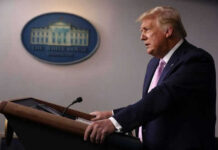
Former President Donald Trump has launched a legal challenge against the BBC, threatening a $1 billion lawsuit. The lawsuit stems from a documentary aired by the BBC that included edited footage of Trump’s January 6 speech, which his legal team claims was manipulated to falsely imply incitement of violence. Trump’s lawyers have demanded a retraction, apology, and the substantial sum in damages.
The BBC’s response to this threat has been significant. Director General Tim Davie, along with several other senior executives, has resigned amid the mounting pressure. This unexpected leadership crisis highlights the vulnerability of public broadcasters to such high-profile legal threats.
Trump is threatening to sue the BBC for $1 billion after key executives resigned following revelations that the media organization doctored key footage of Trump speaking on January 6th, making it appear as though Trump was trying to stoke riots.
Follow: @AFpost pic.twitter.com/FWAYseRx0n
— AF Post (@AFpost) November 10, 2025
Repercussions for the BBC
The BBC, as a publicly funded UK broadcaster, now faces substantial reputational and financial risks. The resignations of top executives have left the organization in a state of turmoil, with interim management taking over as they navigate the potential legal quagmire. The UK Culture Secretary has stepped in, defending the BBC’s independence and announcing a review of its charter to address the crisis.
Amid these developments, the legal teams on both sides are preparing for potential litigation in US courts. Legal experts suggest that while Trump’s case may face challenges under US defamation law, which requires proof of “actual malice” for public figures, the threat alone has already caused significant disruption within the BBC.
Implications for Media and Legal Landscape
This case holds the potential to set new precedents in international defamation law and media governance. It underscores the delicate balance between media accountability and press freedom, raising questions about how far public figures can go in challenging media narratives. The financial and reputational stakes for the BBC could also impact its future funding model and editorial independence.
The broader media landscape is watching closely, as the outcome may influence how aggressively media organizations cover controversial public figures. For Trump, this legal action aligns with his ongoing efforts to challenge media outlets he perceives as hostile, asserting control over his public image.
Sources:
Syracuse University legal analysis