
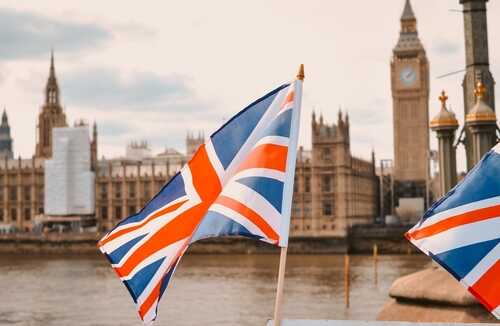
Britain’s relentless crackdown on free speech faces global scrutiny as President Trump arrives for a historic second state visit, spotlighting a clash between American values and U.K. legal overreach.
Story Snapshot
- President Trump becomes the first U.S. president invited for two state visits to the U.K., underscoring transatlantic ties.
- The visit coincides with escalating concerns over Britain’s free speech laws, after recent arrests of comedians, parents, and pro-life activists.
- Widespread protests and support movements highlight deep divisions in British society and intensify debate about civil liberties.
- Observers question the broader impact of U.K. speech restrictions on democracy and international relations.
Historic State Visit: Timing and Symbolism Intensify Debate
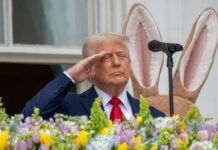
President Donald Trump’s upcoming state visit to the United Kingdom on September 17–19, 2025, marks an unprecedented diplomatic milestone, as he becomes the first modern U.S. president to receive a second state invitation from the British monarchy. King Charles’s formal invitation, accepted in July, signals both continuity and change in transatlantic relations. The visit’s timing is significant, coinciding with party conference season, ensuring Parliament will not be in session and Trump will not address MPs. This ceremonial focus highlights the symbolic weight of the visit at a moment when Britain’s approach to free speech faces international scrutiny.
The backdrop of Trump’s visit is a series of high-profile arrests in the U.K. that have ignited controversy over the boundaries of free expression. Comedians, parents, and pro-life activists have recently faced police action under expanded hate speech and public order laws. Critics, including Ruth Smeeth, CEO of Index on Censorship, argue that the laws have lowered the threshold for criminalizing speech, raising concerns about a chilling effect on public discourse. The 2018 prosecution of comedian Mark Meechan for a controversial online video, along with ongoing cases involving activists, are cited by groups such as Liberty UK and Index on Censorship as examples of potential overreach in applying speech laws. These developments are not isolated, but part of a broader trend in British society, where debates over national identity, security, and civil liberties have reached a fever pitch.
Stakeholders, Roles, and Power Dynamics in a Divided Climate
Multiple stakeholders shape the unfolding drama around Trump’s visit and Britain’s free speech crisis. President Trump has emphasized free speech as a priority in U.S.-U.K. relations, with supporters framing his visit as an opportunity to spotlight concerns about government restrictions on expression. King Charles, representing tradition and diplomatic stability, faces the challenge of hosting a controversial leader during a polarized moment. The U.K. government and law enforcement are under increasing pressure from both domestic critics and international observers to balance public order against civil liberties. Recent arrestees, including comedians and activists, have become symbols in the free speech debate, while civil society groups mobilize public opinion and call for reform.
Protest movements are expected to surge around the state visit, with both supporters and opponents organizing demonstrations in major cities. Greg Swenson of Republicans Overseas UK has publicly praised Trump’s visit, noting grassroots support among British conservatives. Meanwhile, advocacy organizations and legal experts continue to issue statements condemning recent arrests and demanding legislative changes. The government faces mounting demands to clarify its position and protect speech rights.
Short- and Long-Term Impact: Civil Liberties and International Relations
In the short term, Trump’s visit brings heightened security, increased protest activity, and intensified media coverage of Britain’s free speech controversies. The economic costs of security and policing are considerable, while the social effects include mounting polarization over both Trump’s legacy and the U.K.’s restrictive laws. Politically, the visit could prompt a legislative review, with lawmakers under pressure to reconsider the scope of hate speech and public order statutes. Long-term implications may include shifts in public opinion, greater advocacy for speech protections, and a reevaluation of Britain’s place in the democratic world.
Shocking cases reveal Britain’s Orwellian free speech crackdown https://t.co/wOOThcpYIy #FoxNews
— independent truth seeker (@ElevesHenr8468) September 7, 2025
Media and entertainment industries in Britain face increasing risks of self-censorship as legal uncertainties grow. The legal sector may see a rise in cases challenging the limits of speech laws. Cross-border diplomatic relations could be affected, as the U.S. tradition of robust speech rights stands in stark contrast to Britain’s current trajectory. The event’s symbolism, Trump as a defender of free speech confronting a nation in crisis, resonates with American conservatives concerned about global trends threatening constitutional rights and traditional values.
Expert Perspectives: Risks, Reform, and Democratic Values
Legal experts and civil liberties organizations, including Professor Eric Barendt (UCL), argue that recent applications of speech laws may risk undermining democratic norms if not carefully balanced with rights protections. Legal scholars highlight the chilling effect of recent arrests, arguing that such measures undermine democratic discourse and erode public confidence in the rule of law. Academics compare the U.K.’s unique framework with the U.S. system, noting that Britain’s current path diverges sharply from American principles of individual liberty. Political analysts suggest that Trump’s visit may serve as a catalyst for debate and potential reform, bringing international attention and pressure to bear on the U.K. government.
Divergent viewpoints persist, with some supporters of stricter speech laws claiming they promote social harmony, while critics contend that these policies threaten open debate and democratic values. Mainstream media, legal experts, and advocacy groups corroborate recent incidents and their far-reaching implications. The full policy outcomes of Trump’s visit remain uncertain, but the intersection of diplomacy and civil liberties will continue to shape the conversation in both countries.
Sources:
SW Londoner: Reporting on public reaction, stakeholder statements, and context