

Nine women were found dead near Johannesburg, and South Africans took to the streets to run, mourn, and demand safety.
Story Snapshot
- Police found nine women’s bodies east of Johannesburg over about two months.
- Hundreds joined memorial runs led by local clubs to honor victims and call for action.
- The protests highlight South Africa’s long, deadly crisis of violence against women.
- Researchers say femicide rates in South Africa remain among the world’s highest.
Killings Near Johannesburg Spark Memorial Runs and Public Demands
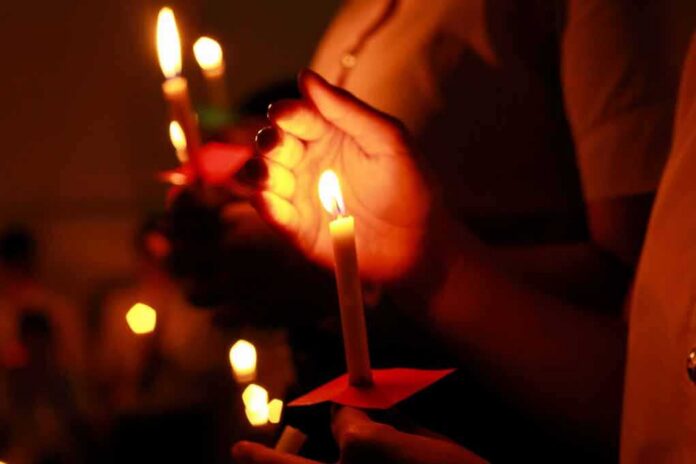
Police in South Africa reported the discovery of nine women’s bodies in Ekurhuleni, east of Johannesburg, over roughly two months. The cases triggered memorial runs and protests across the area. Runners gathered to honor victims like Elizabeth Moselakgomo, whose death drew national attention. Events centered in Kempton Park and nearby communities, where participants wore black, carried candles, and demanded accountability from local leaders and police investigators. The gatherings reflected grief, anger, and fear felt by many South Africans.
Local running clubs organized a thirteen-kilometer memorial route to mark the victims and press for safer streets. Reporters on the ground counted several hundred runners, including families and church groups, who joined to show support and unity. Participants urged quicker police work, better lighting, and more patrols on common running paths. Organizers called for simple, practical steps first, like clearing brush, fixing broken lights, and installing cameras near parks and transit stops where many women travel.
A Crisis That Goes Beyond One Neighborhood
These murders hit a country already battling a severe problem of violence against women. The South African Medical Research Council has reported that about three women a day are killed by an intimate partner, and that overall female homicides total close to seven a day in recent years. National and international coverage stressed that this local tragedy is part of a broader national crisis. People at the runs said they want action that moves beyond slogans to real safety results on streets, taxis, and footpaths women use daily.
Journalists noted that the protests were peaceful but firm. Runners demanded visible policing at peak hours, faster case updates from investigators, and support for families. Community leaders asked for better cooperation between city officials, police services, and volunteers who maintain popular routes. Advocacy groups urged courts to speed up cases of violent crime against women. Many attendees said they should not have to choose between exercise and safety, or carry weapons to feel secure on a morning run.
Why This Matters to American Readers
This story underscores a basic truth: public safety is the first duty of any government. When streets are unsafe, freedom shrinks. Families change daily habits. Women lose the right to run, work, and live without fear. American conservatives know this lesson well. Policies that weaken policing or ignore border crime, gang activity, and human trafficking put women at risk. Clear laws, strong enforcement, and community action restore order and protect the vulnerable.
Mourners and runners gather in Johannesburg and Cape Town after police find the bodies of nine women in Ekurhuleni, amid calls for stronger action against femicide. pic.twitter.com/G26Gp6WNb0
— Radar Africa (@radarafricacom) September 19, 2026
South Africans in these memorial runs are asking for the same basics we ask of our leaders: secure neighborhoods, reliable law enforcement, and real accountability. Their call also shows how a community can unite to resist violence without surrendering freedom. The best answer to fear is not control over ordinary people; it is control over criminals. Safer streets abroad or at home come from common-sense steps: patrols where crime happens, working lights, open sightlines, and courts that act fast on violent offenders.
What Comes Next in Johannesburg
Police continue to investigate whether the nine killings are connected. Authorities have not announced arrests tied to a broader pattern. Reporters say more memorial runs and vigils are planned in Johannesburg and other cities. Organizers hope city leaders will fund basic safety fixes quickly while police track leads. The message from the streets is simple and strong: protect women, protect families, and protect the freedom to live and move without fear.
Sources:
youtube.com, afp.com, reuters.com