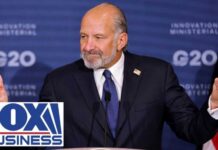

David Sacks told Big AI to stop asking Washington for cover and slow themselves down if they truly think their next models are dangerous.
Story Highlights
- Sacks says OpenAI and Anthropic can delay frontier releases on their own, without new laws.
- The White House voluntary test framework does not grant “green lights” or require approvals.
- Reports show some model rollouts were staggered or limited amid security concerns.
- Sacks warns against using regulation as a shield for market power or control.
Sacks’s Core Message: Voluntary Slowdowns Do Not Need New Rules
David Sacks, a former White House artificial intelligence and crypto czar, said companies at the frontier can slow down without asking the government first. He aimed that point at OpenAI and Anthropic after leaders urged a paced release of powerful systems. He wrote that if they believe risk is high, they can hold back on their next model. He added they should not claim they need a waiver, license, or approval to do so.
Sacks’s stance tracks with past comments where he pushed for speed with minimal red tape, while keeping responsibility on firms that control the cutting edge. He argues the people building the most capable models also control the timing. If they want to pause, they can pause. He rejects the idea that risk management must wait for a new federal regime the companies prefer. He supports voluntary restraint when warranted, but without backdoor regulatory capture.
What The Government Framework Actually Says
The Trump administration set up a voluntary pre-release testing approach earlier this year. The White House has stressed it does not grant approvals and does not require permission to launch a model. Agencies can see systems in advance, but firms decide when to ship. The administration said testing and meetings are optional and do not act as a “green light” or a gate to market, which backs Sacks’s point about who holds the decision.
At the same time, reporting showed the administration asked for staggered releases during short windows to address clear security risks. Coverage said OpenAI limited a new model to select partners for a brief period and delayed a broad launch by weeks. Those steps aimed to manage cybersecurity, not to create a permanent licensing rule. The episode shows coordination can occur without changing who makes the final call on release timing.
Big AI’s Calls to “Pace the Frontier,” And Sacks’s Pushback
Industry leaders, including Anthropic’s Dario Amodei, have urged slowing frontier progress for safety. Media summaries noted broad calls for the sector to ease off until safeguards grow stronger. Sacks answered that nothing stops the leaders from doing exactly that on their own. His point is simple: if a model is risky, delay it. Do not ask Washington to write special protections that also serve to freeze competitors out of the race or create a government permission slip for innovation.
Conservative readers know how “voluntary” frameworks can morph into choke points that pick winners and losers. Sacks has warned that a soft testing program can drift into hard mandates if not watched. He wants America to beat China in artificial intelligence by staying fast and free, not by handing control to bureaucrats or giving the biggest labs a regulatory moat. He believes existing laws, market pressure, and liability already push firms to act with care without hobbling the whole economy.
Why This Matters For Liberty, Competition, And Security
President Trump’s team is balancing two truths. The United States must lead in artificial intelligence to keep our edge over China. The country must also guard networks, infrastructure, and families from real threats. The recent short, targeted slow-rolls for security show that government can coordinate with industry without turning into a central permission regime. That keeps power closer to builders and users, not unelected gatekeepers.
David Sacks: AI slowdown not purely altruistic. @AmericaNewsroom is streaming live on FOX One. pic.twitter.com/m3VBXbW9Yw
— FOX One (@foxone) September 14, 2026
For conservatives, the test is clear: defend free enterprise, stop regulatory capture, and demand real accountability. Sacks’s challenge tells Big AI to take responsibility instead of lobbying for carve-outs. The White House’s stance that no “green light” exists supports that view. When firms warn about risk, they can pause. When security flags pop up, they can cooperate with agencies for short windows. None of that needs a federal choke chain on American innovation.
Sources:
finance.yahoo.com, politico.com, shattered.io, thezvi.wordpress.com, wsj.com, kingy.ai, techcrunch.com