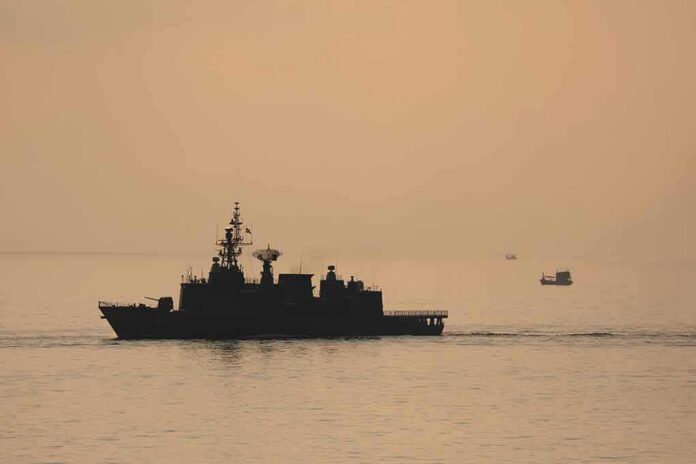
U.S. Central Command says the Strait of Hormuz shipping lanes are open after Navy teams cleared Iranian mines and guided nearly 1,500 ships through the corridor.
Story Highlights
- CENTCOM says international shipping lanes in Hormuz are cleared of Iranian mines.
- Officials say nearly 1,500 commercial vessels used the lanes during clearance.
- Reports confirm the main, median traffic lane was cleared for safe transit.
- Some outlets still note caution outside the marked lanes and want more proof.
What CENTCOM Says Is Now Open For Business
U.S. Central Command reported that Navy forces cleared Iranian sea mines from the Strait of Hormuz shipping lanes. Admiral Brad Cooper said internationally recognized transit routes are free of mines, and he declared the lanes open to traffic. Multiple outlets echoed the core claim that the lanes, not the entire strait, are the focus. That detail matters for safety and insurance decisions. The Pentagon framed the action as a finished milestone after months of work in a combat zone.
Axios, citing two U.S. officials with direct knowledge, reported the Navy cleared the Traffic Separation Scheme, which is the median lane large ships use to pass. That lane is the main road for oil and goods. Clearing it lowers risk for crews, insurers, and ports. It also puts pressure on Iran’s strategy to scare ships away from free transit. The report stressed the clearance applies to the defined shipping scheme, not every square mile of water around it.
How Long It Took And What It Enabled
Central Command said the mine-clearing campaign supported close to 1,500 commercial vessel transits during the effort. That figure shows the lanes stayed active even while teams hunted and neutralized threats. It also signals that shippers, under escorts and advisories, chose to keep moving. Keeping traffic flowing denies Iran leverage over global energy prices and supply chains. The statement did not list exact mine counts or types removed, which are often held back for security.
The Defense Department previously described the mission as an active campaign. It began months earlier with U.S. forces preparing for mine clearance and deploying assets suited for that job. Those forces aimed to ensure the strait was fully clear of mines previously laid by the Islamic Revolutionary Guard Corps in the lanes ships must use. The timing lines up with a long, methodical sweep effort and ongoing protection of commercial traffic under American leadership.
Why The Lane-Limited Claim Still Matters
Clearing the marked shipping lanes is the standard that gets goods moving. Global trade does not need every pocket of water cleared to zero risk. It needs a proven corridor where captains and insurers can operate with confidence. By focusing on the Traffic Separation Scheme, the Navy targeted the area that handles the lion’s share of transit. That is what lowers premiums, restores schedules, and undercuts attempts to choke commerce without a costly shooting war in every channel.
Skeptics point to the lack of public third-party verification and urge caution. Bloomberg said some allies privately questioned whether every mine was gone, and asked for more evidence beyond U.S. statements. That pushback is common after any military operation where data stays classified. Still, the commander’s on-camera update that lanes are “mine-free,” paired with aligned reporting of a cleared median lane, sets a clear public marker for shippers and partners to act on now.
What Risks Remain And How To Read Them
Mines outside the lanes, drifting hazards, and other threats like drones or missiles can still shape behavior. That is why advisories may stay cautious even after a lane opens. The key question for families and businesses at home is simple: can tankers and cargo ships move at scale without major loss events? With the lane cleared and escorts in place, the answer looks closer to yes than no. That reduces pressure on fuel, inflation, and supply chains here at home.
America’s message is deterrence through proof. If Iran seeds new devices, U.S. forces will find them and keep the lane open. That is how a free nation protects energy security and the economy without buying into fear. The operation shows taxpayers that strong borders and strong seas go together. It also shows that when Washington focuses on real threats—not woke distractions—American power still keeps trade moving and our constitutional way of life secure on the high seas.
Sources:
jpost.com, stripes.com, axios.com, iranintl.com, middleeasteye.net