
A Fort Hood–based Apache attack helicopter crashed into a Central Texas field, killing both pilots and sparking a fast-moving wildfire, authorities said.
Story Snapshot
- Officials confirmed two fatalities after an AH-64 Apache crashed near Fort Hood.
- The impact ignited a wildfire and forced road closures in Bell County.
- The helicopter came down in a field and avoided homes and buildings.
- The Army opened an investigation; the cause has not been released.
What Authorities Confirmed About the Crash
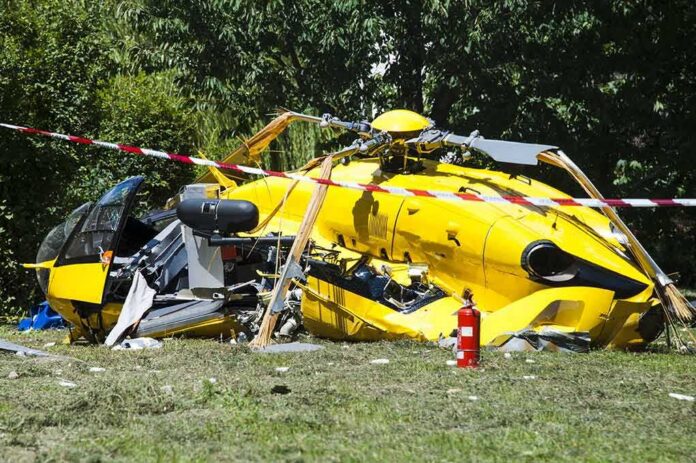
Bell County officials said an Army AH-64 Apache helicopter went down near Fort Hood on Wednesday afternoon, killing both people on board. Local responders pronounced the two at the scene. The Army identified the aircraft as an Apache assigned to Fort Hood. Officials reported the crash happened in a field, not in a neighborhood, which limited damage to nearby property. Reporters on the ground described a violent impact that left wreckage across the site and drew multiple fire and law enforcement agencies to secure the area.
Reporters and county officials said the crash ignited a wildfire that spread quickly in dry grass. Crews closed nearby roads and focused first on stopping the flames from reaching homes and businesses. Images showed thick smoke and active firefighting lines as the afternoon heat made conditions worse. Outlets reported that the fire was not contained for hours after impact. The Army said it would coordinate with local agencies and would release more details once next of kin were notified and facts were verified.
Where It Happened and How First Responders Moved
Witness accounts and county updates placed the impact in Bell County near Salado, north of the main Fort Hood complex. Authorities worked to keep onlookers away because of fire risk and possible hazardous materials from the aircraft. The field location reduced the chance of secondary injuries from debris. Officials stressed that no structures were struck, and no civilian injuries were reported at the scene. The quick perimeter helped firefighters run dozers and brush trucks along natural lines to slow the head of the fire.
Military and local investigators began preserving the scene soon after the fire threat eased. The Army’s standard process includes documenting the debris path, collecting damaged parts, and mapping the impact scar. Investigators will review maintenance records, flight plans, weather data, and any available cockpit recordings. Early reports said the cause was unknown, and officials warned that detailed findings could take weeks or months. That timeline is normal in military aviation mishaps, especially when fire complicates recovery of components.
What We Know—and What We Do Not
Officials confirmed four core facts: the aircraft was an AH-64 Apache, it was based at Fort Hood, two people were aboard, and both died at the scene. Local reports added that the helicopter came down in a field and caused a grass fire that led to road closures. Those details are consistent across major outlets that cited named officials. No outlet has published the names, ranks, or unit of the two service members yet, pending notification of families.
Authorities have not identified a cause. Possible factors in helicopter crashes can include weather, mechanical failure, human factors, or obstacles. Responsible reporting avoids guesses until investigators release findings. Past Army investigations at Fort Hood show that different mishaps have had very different causes, from pilot error to visibility issues. That context explains why officials urge patience while technical teams analyze the wreckage and records before issuing conclusions.
Why This Matters to Military Readiness and Safety
Every Apache crash is a loss for readiness and for families who serve. The AH-64 is a combat-proven platform, and each aircrew represents years of training. When accidents happen, taxpayers deserve a clear, transparent process that fixes any root problems and supports the troops who fly and maintain these aircraft. The Army’s investigation should track maintenance histories, parts quality, and training standards to ensure the fleet is safe and mission ready without delay or bureaucratic drift.
An U.S. Army AH-64 "Apache" attack helicopter from Fort Hood crashed near Salado, Texas, at approximately 1:30 p.m. local time today, killing both soldiers aboard.
Fort Hood confirmed the aircraft was assigned to the installation, while the acting commander of the 1st Cavalry… pic.twitter.com/apHj3uK2QA
— OSINTdefender (@sentdefender) August 13, 2026
Local responders and the base community carried the first burden—fight the fire, secure the scene, and protect nearby homes. They did that job. Now the mission shifts to facts, not spin. Conservative readers can expect firm questions on maintenance oversight, parts supply, and training hours once investigators share data. That is not politics; it is accountability. The nation honors the fallen by finding the cause, correcting what failed, and keeping our warfighters ready for the next call.
Sources:
washingtontimes.com, insidedefense.com, stripes.com, govinfo.gov