

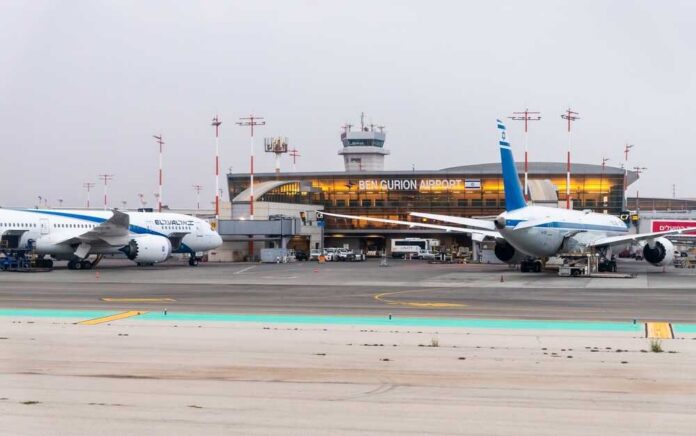
Dozens of U.S. warplanes turning Israel’s main civilian airport into a de‑facto military hub are now threatening to cancel millions of tickets and choke off normal travel, as Israeli officials quietly push Washington to move the tankers out.
Story Snapshot
- About 70–75 U.S. refueling and cargo aircraft have occupied over half of Ben Gurion Airport’s parking spots for months, crowding out civilian flights.
- Israel’s own aviation chiefs warn the airport is running at only about one‑third of normal capacity, with up to 2.4–3 million tickets at risk of cancellation.
- Transport Minister Miri Regev is pressing to relocate many U.S. tankers to Israeli Air Force bases, but U.S. commanders cite Iran tensions and resist a full pullback.
- The clash highlights a bigger problem for allies: when U.S. global military plans override basic civilian needs and economic stability at home.
How U.S. Tankers Turned Israel’s Main Airport Into a Military Parking Lot
Israeli media and officials say roughly 70 to 75 American refueling and cargo aircraft have been parked at Ben Gurion Airport since the Iran war crisis flared this year. These U.S. Air Force jets now take up more than half of the airport’s parking capacity, including spots normally used by Israeli carriers and foreign airlines. The airport has only 99 parking stands, and local reports describe U.S. aircraft occupying close to 60 of them during peak buildup, leaving fewer than half for all civilian traffic.
Israel’s Transport Minister Miri Regev warned Prime Minister Benjamin Netanyahu that this buildup is creating “severe operational pressure” on Ben Gurion, which is the country’s main international gateway. In her urgent letter, she said Israeli airlines may be forced to cancel over 2.4 million tickets for summer and Jewish holiday travel if at least half of the American tankers are not moved off the field. She also flagged direct economic damage in the billions of shekels for airlines, tourism, and the wider economy.
Israeli Officials Sound the Alarm on Lost Capacity and Soaring Costs
Sharon Kedmi, director general of the Israel Airports Authority, has said Ben Gurion is operating at only about one‑third of its normal capacity because of the space and resources consumed by U.S. refueling aircraft. He told Israeli radio that around 70 percent of normal airport activity is limited by the ongoing American military presence, warning of “very heavy” cancellations and schedule cuts heading into the busy summer travel season. He also said foreign airlines would struggle to return under these conditions, putting millions of passenger trips at risk.
Other aviation officials echo those warnings, saying the tankers are causing serious ground and air congestion that blocks normal summer operations. Reports describe how local carriers like El Al and Arkia cannot bring back their entire fleets because there is simply no room to park and turn jets efficiently. Industry estimates point to hundreds of millions of dollars already lost in fees and tourism, with total losses possibly rising toward 2 billion shekels if the U.S. aircraft remain in place for the rest of the year. Those higher operating costs will ultimately land on travelers through higher fares and fewer choices.
Relocation Plans, Iran Tensions, and a Clash Over Priorities
Under pressure from Regev and the Airports Authority, Israeli officials crafted a plan to move a first batch of 20 U.S. tankers from Ben Gurion to Israeli Air Force bases, with another 17 to follow soon after. National Security Council staff began managing the operation and some aircraft did leave, but reporters noted that formal approval for the full relocation had not been granted at the time. Even this drawdown was only partial, covering roughly 20 percent of the American fleet, leaving most of the aircraft still on the crowded apron.
🇮🇱🇮🇷 Ben Gurion airport just became a legitimate target, and ten aircraft could stall the entire war.
Fmr. CIA analyst Larry Johnson explains why Israel is getting nervous about the KC-135 refueling tankers operating from Ben Gurion.
While the MOU lived, Iran held fire on… https://t.co/6OmkFcYf8i pic.twitter.com/XMwl7BNdjM
— Mario Nawfal (@MarioNawfal) July 15, 2026
As the Iran conflict heated back up, American commanders then froze the broader relocation effort, citing renewed military tensions and the need to keep tankers close to the front. Some reports say U.S. aircraft could now remain at Ben Gurion at least through the end of 2027, far beyond what Israeli civilian officials consider acceptable. This puts Israel’s elected government in a bind: its own aviation and tourism sectors warn of massive economic harm, while its top security partners insist that these aircraft stay put for regional war plans against Iran.
What This Dispute Reveals About U.S. Power and Civilian Life
This showdown at Ben Gurion fits a long‑running pattern with U.S. overseas bases, where the Pentagon’s global reach often comes first and host nations’ daily civilian needs come second. Studies of past American basing decisions show that local governments and businesses usually push for fewer military flights and more commercial capacity, while U.S. planners argue they must keep forward‑deployed forces close to likely conflict zones. In practice, that often leads to “compromises” where only a portion of the force is moved, leaving many of the civilian strains in place.
For Americans watching from home, there is a clear lesson. When Washington builds up forces abroad with little planning for civilian impacts, families, travelers, and local economies pay the price, whether in Israel, Europe, or here in the United States. Conservative voters who care about limited government and common‑sense priorities will see a familiar story: big military decisions made far from home that ignore basic quality‑of‑life issues until a crisis hits. Trump’s team now has to balance real security threats from Iran with respect for allies’ civilian infrastructure and economic stability.
Sources:
zerohedge.com, theyeshivaworld.com, airlive.net, thetraveler.org, youtube.com, calcalistech.com, aa.com.tr, english.news.cn, timesofisrael.com, jns.org, jpost.com