President Trump’s demand that NATO allies help secure the Strait of Hormuz has exposed a dangerous rift in Western alliances as European nations refuse to shoulder the burden of defending critical global oil routes while American forces face Iranian aggression alone.
Story Snapshot
- Trump warns NATO of “very bad future” if allies refuse military assistance in Strait of Hormuz crisis
- European NATO members including Italy and Germany explicitly reject expanding naval missions despite oil prices hitting $105 per barrel
- Iran’s blockade halts one-fifth of global oil production while allies demand U.S. protection benefits without sharing risks
- Alliance burden-sharing debate intensifies as energy-dependent European nations benefit most from open shipping lanes yet resist military contributions
Trump’s Ultimatum Exposes Alliance Weakness
President Trump issued a stark warning to NATO allies on March 15, 2026, demanding military assistance to reopen the Strait of Hormuz and threatening that countries refusing to help will face consequences. The President’s demand comes after Iran began blocking this strategic chokepoint on February 28, effectively halting vital global oil and natural gas shipments. Trump’s approach reflects common-sense burden-sharing principles: nations most dependent on Persian Gulf energy should contribute forces to secure their own supply lines rather than expecting American service members to bear all risks protecting European economic interests.
European Allies Choose Free-Riding Over Responsibility
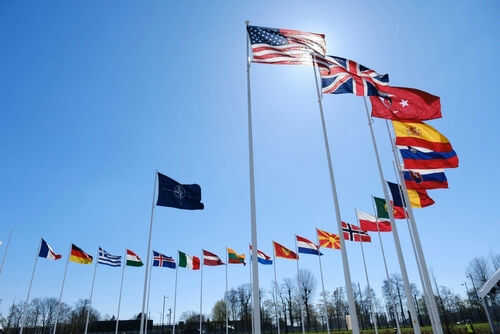
NATO allies responded to Trump’s request with predictable reluctance and outright rejection. Italian Foreign Minister Antonio Tajani explicitly opposed expanding naval missions to the Strait, while Germany expressed skepticism about widening NATO operations. This response pattern demonstrates the fundamental problem plaguing Western alliances: European nations expect American military protection while refusing reciprocal commitments. The situation mirrors broader NATO spending disputes where Trump has pushed allies toward the 5% GDP defense spending threshold, recognizing that sustainable alliances require equitable contributions rather than American subsidization of European security.
Economic Crisis Reveals Dependency Paradox
Oil prices surged to approximately $105 per barrel as Iran’s blockade continues choking off one-fifth of global oil production flowing through the Strait. European nations, Japan, and South Korea face severe economic vulnerability due to heavy dependence on Persian Gulf energy supplies, yet these same countries resist military participation to secure their own vital interests. The United States, as a net oil exporter receiving minimal Middle Eastern oil, has far less direct economic stake in the crisis. This paradox underscores the absurdity of European expectations: demanding American military intervention to protect European energy security while simultaneously refusing to contribute forces or accept associated risks.
U.K. Navigates Middle Ground Amid Pressure
British Prime Minister Keir Starmer adopted a cautious position, stating the U.K. would work toward a “viable plan” but would “not be drawn into the wider war.” Starmer confirmed British autonomous mine-hunting systems operate in the region, though he avoided confirming aircraft carrier deployment despite Trump’s claims. The U.K.’s hesitant approach represents a modest improvement over outright rejection by other allies, yet still falls short of genuine burden-sharing. Starmer initially refused to allow U.S. missile launches from British bases when the Iran conflict began March 1, only reversing under pressure—a pattern revealing European reluctance to support American leadership even when their own interests are directly threatened.
EU Foreign Policy Chief Kaja Kallas acknowledged the Strait closure “hurts the global economy and helps Russia fund its war,” yet offered only vague assurances that Europe is “discussing what it can do.” This diplomatic language masks inaction while American forces confront Iranian threats including potential sea mines and attacks on vessels. Iran’s new Supreme Leader has weaponized the Strait as geopolitical leverage, targeting oil tankers and bringing maritime traffic to a virtual standstill. The crisis exposes how regional adversaries exploit Western division and allied unwillingness to defend shared interests through coordinated military action.
Western allies push back on Trump call for NATO help to reopen Hormuz https://t.co/owemBO2wM5
— SJ. Foo – 符祥荣(落魄军师)……..AI Strategist (@foo_sjsj) March 16, 2026
Trump contacted seven countries requesting assistance and stated “some had agreed,” though no nations have publicly committed forces. His warning that America will “remember” which countries refuse to help reflects legitimate frustration with alliance dynamics where the United States provides security guarantees while allies shirk responsibilities. This crisis tests whether NATO functions as a genuine mutual defense partnership or merely serves as a vehicle for European nations to extract American protection without reciprocal obligation. The answer emerging from allied responses suggests the latter, raising fundamental questions about alliance sustainability and American willingness to continue bearing disproportionate burdens for ungrateful partners.
Sources:
Trump warns NATO of ‘very bad’ future if allies don’t help secure Strait of Hormuz
Strait of Hormuz International Responses: Starmer, UK, Trump Threatens NATO
Trump threatens NATO allies over Strait of Hormuz help