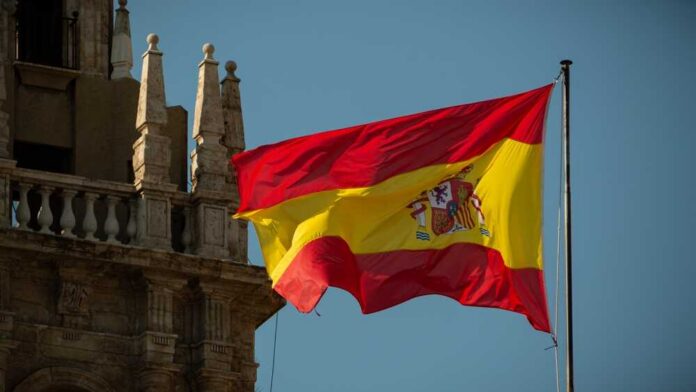
Real Madrid banned Spanish flags from the Santiago Bernabéu supporters’ section before a Champions League match against Manchester City, prioritizing compliance with UEFA’s political display regulations over patriotic expression in Spain’s own stadium.
Story Snapshot
- Real Madrid removed Spanish flags from the Bernabéu to avoid potential UEFA fines during Champions League match
- UEFA’s vague rules against “political displays” now target national symbols even in home country stadiums
- Viral video captured fan outrage over the policy, sparking debate about bureaucratic overreach versus patriotism
- Incident highlights UEFA’s growing control over stadium culture and traditional expressions of national identity
UEFA’s Flag Ban Targets National Pride
Real Madrid prohibited Spanish flags in key supporter areas at Santiago Bernabéu Stadium ahead of their Champions League clash with Manchester City in March 2026. The decision stemmed from UEFA’s Stadium and Security Regulations that ban “political, offensive, or discriminatory” displays, which the governing body has broadly interpreted to include national flags during club competitions. The club faced potential fines ranging from €10,000 to €50,000 if fans displayed what UEFA might deem provocative symbols, despite the flag representing Spain’s national identity in a Spanish stadium.
The irony of banning Spain’s flag from a Madrid-based club wasn’t lost on supporters. Real Madrid has historically symbolized Spanish identity, making the restriction particularly jarring for fans who view displaying their national colors as patriotic rather than political. UEFA previously fined clubs like Celtic for Irish flags and Rangers for various banners, but targeting a home country’s flag in its own venue represents an escalation of enforcement that underscores the organization’s prioritization of commercial broadcasting environments over cultural expression.
Fan Backlash Exposes Bureaucratic Disconnect
A viral YouTube video documented one supporter’s visceral reaction upon discovering the flag restriction, capturing the frustration felt by traditionalists who see their culture eroded by international bureaucracy. The clip garnered 3,400 likes against 421 dislikes, indicating widespread sympathy for the fan’s position. No formal statement from Real Madrid or UEFA addressed the policy directly, leaving fans to interpret the club’s silence as capitulation to regulatory pressure rather than defense of supporter traditions that have defined football culture for generations.
Real Madrid’s compliance reflects pragmatic risk aversion given the club’s commercial interests and hosting privileges for prestigious events like the 2026 Finalissima between Spain and Argentina at Bernabéu on March 27. The board under Florentino Pérez prioritized avoiding match disruptions that could jeopardize Champions League revenue streams worth millions. This calculation pits financial stability against fan loyalty, a tension exacerbated when bureaucratic rules appear to contradict common sense distinctions between political provocation and simple national pride at a sporting event.
Setting Dangerous Precedent for Sporting Venues
The incident establishes troubling precedent for how international governing bodies can dictate cultural expression in private venues. UEFA’s inconsistent enforcement treats national symbols as suspicious by default, requiring clubs to self-police patriotic displays that pose no actual threat to order or inclusivity. Previous sanctions against Catalan independence flags at Barcelona matches involved genuine separatist political messaging, but Spain’s official flag carries no such baggage in Madrid. The conflation demonstrates how vague standards empowering bureaucrats to determine acceptable expression inevitably lead to absurd outcomes that suppress normal traditions.
Long-term implications extend beyond one match. As clubs adopt stricter self-censorship to avoid regulatory complications, UEFA effectively standardizes sterile stadium atmospheres that prioritize sponsor comfort over authentic fan culture. Spanish nationalists rightly see this as anti-UEFA sentiment fuel, while the broader football community watches a regulatory body with no accountability to voters impose cultural norms that conflict with local values. This pattern mirrors concerns conservatives face domestically when unelected administrators override common sense with expansive rule interpretations that erode traditional liberties under bureaucratic justifications disconnected from reality.
Sources:
Chosun – Finalissima 2026 venue context