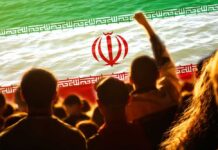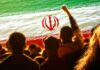


An Iranian strategy to expand influence in the Americas raises alarm about potential threats to U.S. security and sovereignty.
Story Highlights
- Iran’s covert operations in Latin America are increasingly scrutinized.
- Hezbollah activities in the region pose significant security concerns.
- Leftist governments in Latin America provide Iran with strategic partnerships.
- U.S. sanctions and intelligence efforts aim to counteract Iranian influence.
Iran’s Expanding Influence in Latin America
Iran has strategically embedded itself in the Americas, capitalizing on leftist governments in countries like Venezuela, Nicaragua, and Cuba. These alliances are not just political; they serve as a conduit for Iran to bypass international sanctions and further its geopolitical agenda. This maneuvering is part of a broader strategy to counter U.S. influence in the region while simultaneously establishing a foothold for intelligence and military operations. Iran’s ability to leverage local discontent and anti-American sentiment presents a significant challenge to U.S. interests.
Hezbollah, backed by Iran, plays a crucial role in this strategic outreach. Operating under the guise of cultural diplomacy, Hezbollah engages in fundraising, logistics, and recruitment across Latin America. Their activities in the Tri-Border Area of Argentina, Brazil, and Paraguay are of particular concern due to ongoing investigations into money laundering and terror financing. These operations highlight a covert network that supports Iran’s broader objectives, raising alarms about potential threats to U.S. regional security.
𝗜𝗿𝗮𝗻: 𝗨.𝗦. 𝗠𝗶𝗹𝗶𝘁𝗮𝗿𝘆 𝗠𝗼𝘃𝗲𝘀 𝗥𝗶𝘀𝗸 𝗚𝗹𝗼𝗯𝗮𝗹 𝗦𝗲𝗰𝘂𝗿𝗶𝘁𝘆
Iranian Foreign Ministry spokesman Esmail Baghaei warned U.S. military activity in Latin America could endanger peace.#Iran #Venezuela #LatinAmerica #Caribbean pic.twitter.com/Gq3XBGLCuC
— The Arab Posts (@The_Arab_Posts) November 16, 2025
Challenges for U.S. Strategy
The U.S. response has been multifaceted, involving sanctions and intelligence operations aimed at curbing Iranian influence. Recent measures by the U.S. Treasury have targeted entities linked to both Iran and Hezbollah in Latin America. However, these efforts are met with resistance from regional governments that often view U.S. actions as interference. This creates a diplomatic balancing act for the U.S., which must navigate complex political landscapes while attempting to protect its interests.
The increased Iranian activity in the Americas, coupled with its alliances with leftist regimes, poses a direct challenge to the U.S. The geopolitical landscape is shifting, and the U.S. must adapt its strategies to address these emerging threats. The potential for increased proxy conflicts and the erosion of U.S. influence in the region is a pressing concern, requiring vigilant monitoring and a robust policy response.
Potential Security Implications
The implications of Iran’s activities are severe, with both immediate and long-term consequences for regional stability. In the short term, heightened tensions and the risk of terror attacks are palpable. Over the long term, Iran’s entrenched influence could lead to sustained proxy conflicts and a gradual erosion of U.S. dominance in the region. The threat extends beyond political and military realms, impacting local economies through money laundering and criminal activities, further destabilizing the region.
U.S. and regional security experts emphasize the need for comprehensive strategies to counter Iran’s “gray zone” tactics in the Americas. These tactics, characterized by the use of non-state actors and covert operations, complicate efforts to counteract Iranian influence effectively. The need for collaborative regional security initiatives is critical to mitigate the potential threats posed by Iran and its proxies.
Unmasking Iran’s Hidden Footprint in the Americas – The American Spectator | USA News and Politics https://t.co/dLsar4yOQh
— Dawn Wildman (@WildmanDawn) November 16, 2025
Sources:
Council on Foreign Relations (CFR) timeline of U.S.-Iran relations
The World from PRX: U.S.-Iran relations timeline
United States Institute of Peace (USIP) Iran timeline
U.S. Congressional Research Service background and policy reports