
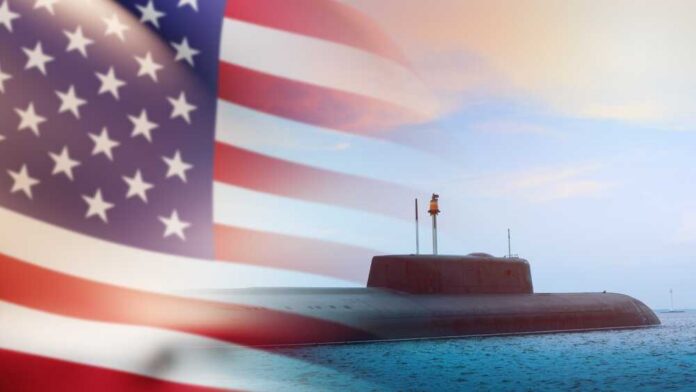
America’s elite spy submarines once tapped Soviet undersea cables in secret, carrying self-destruct charges ready to sacrifice crews to protect national secrets from communist foes.
Story Highlights
- U.S. Navy’s Operation Ivy Bells tapped Soviet communications in the Sea of Okhotsk from 1971, yielding invaluable intelligence on nuclear submarine operations.
- USS Halibut and USS Parche risked everything in hostile waters, with Parche equipped for self-destruction if captured.
- Operation exposed cable vulnerabilities, a lesson echoing today’s threats from Russia and China to U.S. undersea infrastructure.
- Betrayed by defector Ronald Pelton in 1980, it ended—but not before bolstering American deterrence against Soviet threats.
Operation Ivy Bells: Tapping Enemy Secrets
Operation Ivy Bells launched in 1971 as a joint U.S. Navy, CIA, and NSA mission. USS Halibut, modified in 1970 for deep-water saturation divers, planted the initial wiretap device on a Soviet undersea cable at 400 feet in the Sea of Okhotsk. This cable linked the Pacific Fleet’s nuclear submarine base at Petropavlovsk-Kamchatsky to Vladivostok headquarters. Divers retrieved recordings monthly, capturing unencrypted communications on Yankee and Delta-class ballistic missile submarines.
Technological Edge and High Risks
USS Halibut established the tap, earning a Presidential Unit Citation. In the mid-1970s, USS Parche, a modified Sturgeon-class submarine, took over after Halibut’s decommissioning. Parche featured upgrades including thrusters, skids, sonar, and cameras, with torpedoes reduced to four for better maneuverability. A 150-pound HBX self-destruct explosive stood ready to scuttle the vessel if capture loomed, prioritizing secrets over crew lives in Soviet territorial waters filled with sensors and drills.
Cover stories masked missions as missile debris recovery from SS-N-12 Sandbox. Sailors operated without full clearance, maintaining extreme secrecy. The frigid Sea of Okhotsk proved ideal yet perilous, with Soviets overconfident in their cable’s security, leaving high-level talks unencrypted.
Betrayal and Enduring Legacy
Ronald Pelton, a U.S. defector, compromised the operation in 1980, alerting Soviets who removed the device. NSA processed tapes yielded critical insights into Soviet Pacific Fleet operations, aiding U.S. countermeasures. Long-term, Ivy Bells exposed undersea cable weaknesses, influencing encryption shifts and modern submarine designs like USS Jimmy Carter.
It Had Self Destruct Mode: The U.S. Navy’s Most Secret Spy Submarine Tapped Russia’s Undersea Cableshttps://t.co/hhpZ5mHQ9l
— Harry J. Kazianis (@GrecianFormula) March 29, 2026
Parche earned 10 Presidential Unit Citations before decommissioning in 2004, its sail now at Puget Sound Naval Shipyard. This precedent for signals intelligence underscores vigilance against current threats, as Russia and China probe global cables. In an era of endless wars draining American resources, Ivy Bells reminds us of victories won through ingenuity, not boots on foreign soil—preserving liberty without eroding constitutional limits on executive overreach.
Sources:
https://dominotheory.com/cable-wars-from-spy-subs-to-fiber-splicing-spies/
https://futurism.com/russian-sub-fire-internet-cables
https://www.cbsnews.com/news/russia-alleged-hybrid-warfare-undersea-cables/