
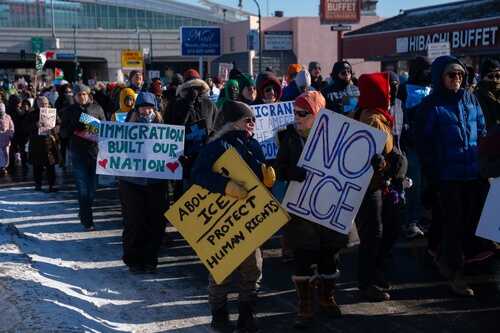
Minnesota Democrats’ desperate resistance to Trump’s Operation Metro Surge risks turning a routine deportation effort into a dangerous state-federal showdown, complete with shootings, strikes, and National Guard threats.
Story Snapshot
- Trump’s ICE launched Operation Metro Surge in early January 2026, deploying thousands to enforce immigration laws in Minnesota’s immigrant-heavy areas.
- Fatal shootings of residents Renée Good on January 7 and Alex Pretti by federal agents ignited outrage and blocked state investigations.
- Minnesota AG Keith Ellison sued to halt operations on January 12, claiming unconstitutional overreach; feds counter-sue over state affirmative action.
- Statewide general strike on January 23 shuts businesses and schools; National Guard readied amid fears of escalation.
Operation Metro Surge Targets Illegal Immigration
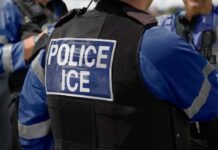
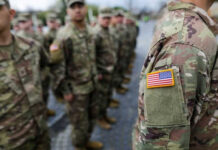
Thousands of ICE and DHS agents surged into Minnesota in early January 2026 under Operation Metro Surge. Federal teams conducted raids and arrests in immigrant neighborhoods of the Twin Cities. This enforcement built on President Trump’s mandate to secure borders and deport illegal entrants, reversing years of lax policies under Biden. Local police faced resource strains from federal operations, contrasting decades of quiet cooperation. The action addressed sanctuary state resistance, prioritizing American communities overburdened by unchecked migration.
Over 1,000 arrests made as up to 2,000 federal agents flood Minnesota in Operation Metro Surge.
Murderers, rapists, pedophiles, and gang members taken off the streets. DHS: Under President Trump, criminal illegal aliens will be found and removed, without apology.
Watch OAN… pic.twitter.com/vxyOOjx2uR
— One America News (@OANN) January 8, 2026
Fatal Shootings Spark Democrat Outrage
ICE agent Jonathan Ross shot and killed Renée Good in Minneapolis on January 7, 2026, during a raid. Federal agents later killed Alex Pretti mid-month, blocking Minnesota investigators from the scene. No charges followed, fueling accusations of unaccountability. State leaders decried racial profiling, but federal actions upheld law enforcement norms shattered by prior non-cooperation. This breakdown exposed how Democrat-led states hinder federal duties to protect citizens from illegal immigration’s chaos.
Lawsuits Fly as Tensions Escalate
On January 12, AG Keith Ellison, with Minneapolis and St. Paul officials, sued DHS and ICE to stop Operation Metro Surge, alleging constitutional violations. The federal government fired back on January 14, suing Minnesota over affirmative action in civil service hiring. DOJ issued subpoenas to Gov. Tim Walz and Mayor Jacob Frey, probing alleged conspiracies to impede agents. These moves highlighted a total relational collapse, with states weaponizing courts against national security priorities.
General Strike and Military Standoff Fears
Labor unions, faith leaders, and activists organized a statewide general strike on January 23, dubbed “Day of Truth & Freedom.” Hundreds of businesses and schools closed in solidarity, crippling the economy and overloading police. Gov. Walz readied the National Guard; Pentagon troops stood by as Al Jazeera reported on January 26. Protests persisted post-strike, with experts warning of civil war-like risks from such defiance. This resistance undermines federal authority essential for border integrity and public safety.
Short-term chaos included school lockdowns and economic blackouts, while long-term precedents threaten state-federal harmony. Immigrant areas faced disruptions, but enforcement signals commitment to rule of law over sanctuary delusions. Neutral experts note the unprecedented divide stems from broken cooperation norms, yet federal resolve protects American sovereignty against open-border extremism.