
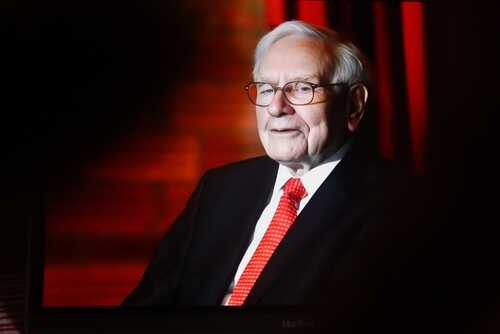
Warren Buffett, the Oracle of Omaha who once deemed retirement worse than death, shocks investors by stepping down as Berkshire Hathaway CEO at year’s end—while taking a swipe at President Trump’s tariffs.
Story Highlights
- Buffett, 94, announces CEO exit by December 31, 2025, after 60 years leading Berkshire Hathaway from textile firm to trillion-dollar empire.
- Greg Abel, long-designated successor, takes over as CEO; Buffett stays on as chairman with office involvement.
- Announcement at May 4, 2025, Omaha shareholders meeting drew tens of thousands, marking emotional end of an era.
- Buffett criticizes Trump’s tariffs as turning trade into a “weapon,” raising eyebrows among free-market conservatives.
- Despite past aversion to retirement, Buffett declares “the time has arrived” for transition, fulfilling long-planned succession.
Buffett’s Surprise Announcement
On May 4, 2025, during Berkshire Hathaway’s annual shareholders meeting in Omaha, Nebraska, 94-year-old Warren Buffett revealed his plan to step down as CEO by December 31, 2025. The nearly three-hour Q&A session before tens of thousands of investors turned emotional as Buffett named Vice Chair Greg Abel his successor. This marked the first firm timeline for the transition, contrasting years of vague succession talk. Buffett emphasized Abel’s readiness to handle day-to-day decisions, ensuring continuity for the conglomerate he built since 1965.
Berkshire Hathaway shareholders expressed a mix of surprise and enthusiasm. Media reports described the crowd’s reaction as the “end of an era” for American capitalism’s iconic figure. Buffett, worth over $160 billion and still living in his $31,500 Omaha home bought in 1958, committed to remaining chairman and staying active in the office. This setup preserves his influence while shifting operational control, a pragmatic move for such a vast enterprise owning Geico, Dairy Queen, and more.
From Textile Mill to Trillion-Dollar Legacy
Buffett transformed Berkshire Hathaway in 1965 from a struggling Nebraska textile company into a trillion-dollar powerhouse alongside the late Charlie Munger. Annual shareholder meetings became must-attend events, blending folksy wisdom with investment insights that guided millions. Buffett’s shareholder letters, ending with his farewell note, offered timeless advice on value investing and business ethics. His frugal lifestyle underscored conservative values of hard work and fiscal discipline, resonating with Americans tired of wasteful spending.
Succession planning named Abel years ago, reflecting Buffett’s foresight amid his advancing age. Previously, Buffett called retirement “unthinkable” and worse than death, tying his identity to Berkshire’s success. The 2025 announcement fulfills this plan without full exit, prioritizing stability over sentiment. Investors value this approach, as Berkshire remains a “behemoth admired around the world” for its decentralized management and strong returns.
Tariff Critique Sparks Conservative Concern
Amid the retirement news, Buffett warned against President Trump’s tariffs, calling them an “act of war” and arguing trade should not be a weapon. He cautioned against policies letting a few countries dominate, saying, “Haha, we’ve won.” Conservatives who back Trump’s America First agenda to counter China see this as misguided globalism from a legend whose empire thrived on free markets. Tariffs protect U.S. jobs from unfair practices, a priority after years of offshoring under past policies.
This is Warren Buffett's last week as CEO
Buffett has been the chairman and CEO of Berkshire Hathaway Inc. since 1970, a legendary run of over 55 years pic.twitter.com/I2zy91wScC
— Exec Sum (@exec_sum) December 22, 2025
Buffett’s stance highlights tensions between traditional investors favoring open trade and Trump’s bold reciprocity to rebuild manufacturing. With Trump delivering economic wins like record jobs and wage growth in his first term, many view tariffs as essential tools against fiscal mismanagement and inflation from globalist deals. Buffett’s critique, while notable, overlooks how Trump’s policies unleashed energy and cut regulations, boosting markets Berkshire benefits from.
Short-term, markets watch Abel’s leadership for strategy shifts; long-term, Berkshire’s model endures. Shareholders lose Buffett’s direct letters but gain a tested successor. This transition reinforces sound succession in finance, vital for family businesses and conglomerates upholding American enterprise.
Sources:
Business Chief on letter/transition