

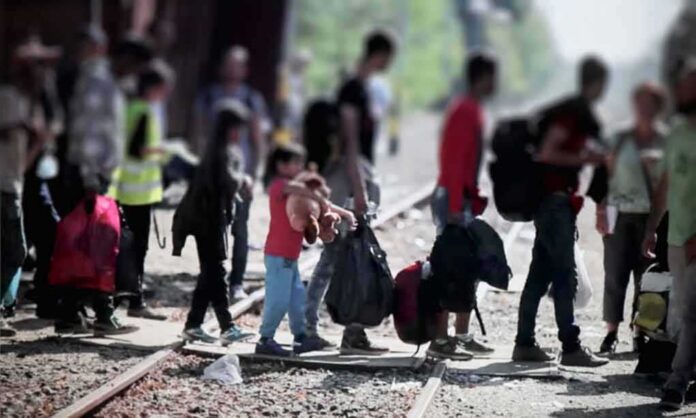
The Trump administration plans a new emergency facility for up to 3,000 unaccompanied migrant children as border pressures rise, while legal representation for many remains uncertain.
Story Highlights
- Planned “emergency influx” site would add up to 3,000 beds for unaccompanied minors.
- Flores settlement allows brief use of unlicensed sites during an influx, with strict time limits.
- Watchdogs and advocates warn past surge sites cut services and raised safety concerns.
- Studies show surge capacity can speed reunification when managed well.
What Washington Plans To Build And Why It Matters
Yahoo News reported that federal officials outlined an “emergency influx facility” sized for up to 3,000 beds to house unaccompanied children who arrive without a parent or legal guardian. The plan responds to surges that strain normal shelters. The Office of Refugee Resettlement runs child custody, and during spikes it can activate temporary sites. Supporters say more beds prevent border chaos. Critics ask whether the government will meet care and legal-access duties inside a large, rapid-build site.
The Flores settlement is the legal guardrail that governs child custody. It says the government should move minors to licensed programs fast and, in emergencies or influxes, may use unlicensed sites for a brief period if it acts in good faith and with due diligence. That means capacity is allowed, but time in a temporary site must stay short. Any new 3,000-bed build must fit those limits. If it does not, lawsuits and court orders will follow.
Promises, Risks, And The Record Of “Surge” Facilities
Past emergency sites offer lessons and warnings. A federal inspector general found earlier influx and intake locations missed key safety practices, including health protocols, during rapid stand-ups. Advocates and researchers say emergency sites often have reduced staffing, fewer services, and uneven oversight when compared with licensed care, which can lead to serious gaps. These are not abstract risks. They reflect real tradeoffs when the government moves fast to add thousands of beds under emergency rules.
There is also evidence surge capacity can help families. Peer-reviewed economic research and policy analysis found emergency shelters created space in traditional programs and sped reunification by moving children through the system faster when standard shelters were full. That result depended on clear case management, vetting of sponsors, and steady communication with families. If those pieces are strong, added beds can cut wait times. If they are weak, large sites can slow cases and raise harm.
Legal Access And Due Process For Children In Custody
Legal help is the backbone of due process. Advocacy groups stress that children need free and timely legal aid to understand claims and court steps, especially when they arrive alone. Large, fast-built sites have sometimes offered reduced services, including fewer legal orientations and limited attorney access, according to policy reviews and advocacy reporting. That history raises a hard question for the new plan: Will the government guarantee steady access to counsel and case updates inside a 3,000-bed facility?
For conservatives, the standard is simple: enforce the law, secure the border, and protect children without creating another sprawling, unaccountable bureaucracy. The Flores framework permits short-term emergency use, not open-ended detention. Congress and the administration should pair any new beds with strict timelines, transparent reporting, and open access for vetted legal providers. That approach supports order at the border, respects the courts, and prevents the kind of mismanagement that fuels more chaos and higher costs.
Sources:
reason.com, abc11.com, kpbs.org, latimes.com, yahoo.com, texastribune.org, acaciajustice.org