
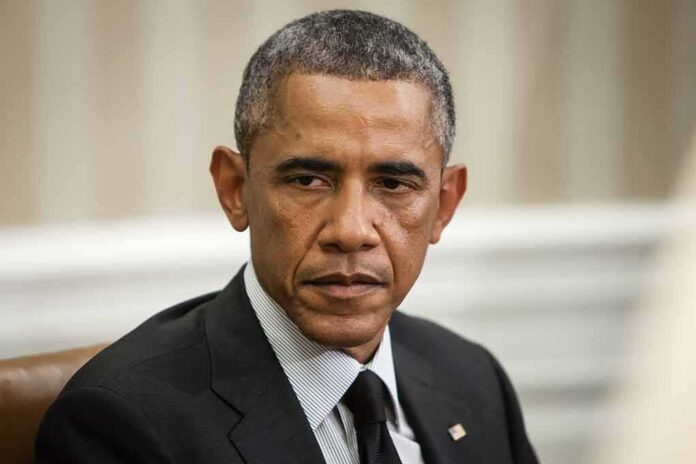
Barack Obama mocked President Trump’s White House ballroom project as “HGTV,” turning a facility debate into a fresh attack on priorities while costs and funding claims draw scrutiny and defense from both sides.
Story Highlights
- Obama’s jab framed Trump’s White House renovations as vanity amid economic concerns.
- The White House announced a new 90,000-square-foot ballroom, initially priced at $200 million.
- Trump and aides said private donors, not taxpayers, would fund the project.
- Public estimates later rose to about $300 million as officials defended the plan.
What Obama Said And Why It Hit A Nerve
Barack Obama used a zinger to say President Trump belongs on a home makeover show, not in the fight to lower prices. His line aimed at the new White House ballroom, a high-profile project that critics call tone-deaf during inflation and high costs for families. Obama’s shot landed because the ballroom is big, visible, and easy to mock. But the joke leaves out the administration’s claim that private donors would cover the costs, not taxpayers.
Obama’s attacks also ride a familiar script: accuse Republicans of caring about flash over fundamentals. Supporters of Trump counter that a larger, secure event space is a long-term need for state functions and national ceremonies. They also note that past presidents reshaped the White House to meet their times. The real question is not whether renovations happen, but who pays, what it costs, and whether the work helps the office serve the country better.
What The Ballroom Plan Actually Includes
The White House announced a roughly 90,000-square-foot ballroom with seating for about 650 guests. Officials set the early estimate near $200 million and described it as a major presidential project. They said it would relieve pressure on the East Room, which they argue is too small for major events. Work was slated to begin in 2025, with the administration touting donor support to carry the costs and reduce any public burden.
President Trump and aides said the ballroom would be privately funded by him, supporters, and American companies. They framed it as a secure, appropriate venue that future presidents can use for generations. They linked the project to a broader America First agenda on the economy, saying the administration can both improve the White House and fight to lower costs for workers and families at the same time. That message seeks to blunt accusations of misplaced priorities.
Rising Cost Estimates And Funding Questions
Public estimates climbed after the first figure. Reports cited new totals near $250 million and then around $300 million as plans developed. Press briefings defended the changes while facing questions about whether any costs could shift to taxpayers over time. The White House has kept the point that private money will cover the build, even as critics seize on the rising numbers to argue the project is a distraction or a luxury.
Trump has said the effort remains on track and under budget relative to its updated scope, while still privately financed. That claim aims to steady supporters who want fiscal discipline from Washington. The funding structure matters for conservatives who are tired of bloated projects and hidden add-ons. Clear documentation on donor coverage and operating costs will be the test of whether the promise holds up as construction advances.
How This Fits A Long History Of White House Changes
American presidents have changed the White House to meet new needs for more than a century. From Theodore Roosevelt’s West Wing to Harry Truman’s internal rebuild, major work has often reflected the pressures of the day. The current plan follows that long arc, though its scale and visibility make it stand out. Supporters see legacy infrastructure; critics see optics at a tough time for families paying more for food, fuel, and housing.
For readers who want action on costs, two yardsticks matter. First, transparency on who pays and what the final price is. Second, focus on policies that actually cut prices and boost supply of energy, goods, and housing. The administration says its America First strategy targets those goals. If the donors pay as promised and the ballroom serves state needs without draining taxpayers, then the debate shifts back to the real fight: lowering costs and limiting government overreach.
Sources:
youtube.com, whitehouse.gov, usafacts.org, apnews.com, krgv.com, pbs.org, washingtonpost.com, blumenthal.senate.gov, factcheck.org, wbrz.com