
A historic U.S. government buy-in to Intel has sparked fierce debate about the future of free enterprise and the boundaries of state intervention in America’s most vital industries.
Story Highlights
- The Trump administration finalized an $8.9 billion government investment for a 10% stake in Intel, using funds from the CHIPS Act and Secure Enclave program.
- This is the first major federal equity stake in a private tech giant in decades, raising concerns about government overreach and market interference.
- Supporters frame the move as necessary for national security and supply chain stability amid rising global tensions and reliance on foreign chips.
- The deal sets a precedent for possible future government ownership in other strategic industries, prompting debate among conservatives and market advocates.
Direct Government Stake in Intel Raises Alarm Over Free Market Principles
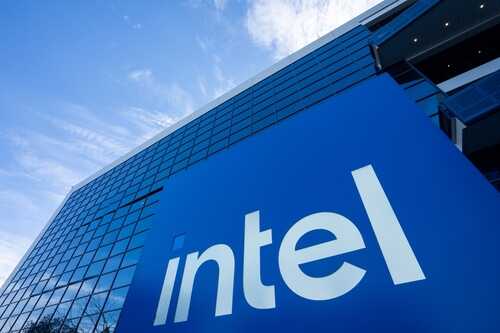
On August 22, 2025, President Trump announced that the federal government had secured a 10% equity position in Intel Corporation through an $8.9 billion transaction. The administration funded this unprecedented investment with existing CHIPS Act grants and Secure Enclave allocations, citing urgent national security needs and the vulnerability of America’s semiconductor supply chain. While the stated purpose is to ensure technological independence and reduce reliance on foreign suppliers, this marks one of the first direct federal equity positions in a major U.S. technology company since the 2008–2009 financial crisis bailouts, raising debate among economists and policymakers about long-term implications for private enterprise
This move comes at a time when many conservative policymakers have expressed concern about expanded government involvement in private industry, arguing that such actions could set precedents for broader state participation in corporate affairs. For decades, the U.S. has relied on competitive private markets to drive innovation, especially in critical sectors like technology. The Trump administration argues this measure is a matter of national survival, given the risks posed by China and supply disruptions. However, critics including Scott Lincicome, a senior fellow in economic studies at the Cato Institute, warn that government equity stakes could undermine market discipline, politicize corporate governance, and create precedents for future interventions—issues that challenge traditional free-market economic philosophy.
Historical Context: From CHIPS Act to Direct Ownership
The roots of this dramatic intervention trace back to the 2022 CHIPS and Science Act, which poured tens of billions into domestic semiconductor manufacturing. These grants, intended to incentivize companies like Intel to build and expand U.S. fabrication facilities, sought to address the nation’s dependence on foreign—mainly East Asian—chip suppliers. Despite massive federal support, persistent security vulnerabilities and global instability kept the pressure on Washington to do more. The Trump administration’s escalation from grants to partial ownership reflects a strategic shift toward direct federal involvement in safeguarding critical infrastructure, raising questions about how such measures balance national security objectives with long-standing market principles.
Experts and industry observers note that such direct equity stakes have historically been rare and typically reserved for crisis bailouts, not as instruments of ongoing industrial policy. The last comparable federal interventions occurred during the 2008-2009 financial crisis, when the government took temporary stakes in automakers and banks. The Intel deal, by contrast, is positioned as a proactive measure for national security, not as a rescue effort. This new approach raises questions about where the line is drawn between necessary defense measures and creeping state control over private industry.
Debate Intensifies: Security Versus Government Overreach
Supporters of the Intel deal, including President Trump and Commerce Secretary Elaine Chao, emphasize the threat posed by supply chain disruptions and geopolitical competition, particularly with China, arguing that government involvement is necessary to secure America’s technological future. They point to the lessons of the COVID-era chip shortages and rising Chinese aggression as justification for bold action. Intel CEO Pat Gelsinger welcomed the backing, stating that the investment would help accelerate U.S. manufacturing capacity and strengthen the company’s ability to meet defense-related technology demands. However, free-market advocates and many conservatives remain skeptical, arguing that direct government ownership risks distorting competition, politicizing corporate decisions, and undermining shareholder interests. The concern is that such steps pave the way for further state interference in other vital sectors—defense, energy, communications—setting a precedent that future administrations could exploit.
Public debate has intensified since the announcement. Some in Congress and across the conservative movement warn that even well-intentioned interventions can erode constitutional protections and economic liberty, especially if government influence expands beyond its original scope. Others argue that national security must, at times, override pure market logic, particularly when foreign actors threaten to disrupt or control critical supply chains. This clash of priorities—security versus limited government—sits at the center of the current policy crossroads.
Ripple Effects and Precedent for Future State Intervention
The immediate effect of the government’s 10% stake is a significant capital boost for Intel, supporting its $100+ billion U.S. manufacturing expansion. In the short term, this may strengthen America’s technological edge and create jobs. However, the broader and more contentious impact lies in the precedent set: the Trump administration is already discussing similar ownership stakes in other strategic companies, such as defense contractors. This signals a possible new era of state-led industrial policy, one that could fundamentally alter the relationship between government and the private sector in the name of national security. The conservative audience is left to weigh the risks of government overreach against the promise of restored American self-reliance and security.
🚨💻 Trump Announces U.S. Stake in Intel | Washington, D.C. | Aug 22, 2025 (UTC)
Trump says America now owns 10% of Intel — worth $11B — at no cost.
But a Senate letter shows deep security concerns over Intel’s new CEO and China ties.What’s New
•🕑 Announcement dropped Aug… https://t.co/kwhLRSNOQ2— Gunnys Adventures (@DerrickSalas9) August 23, 2025
As the debate unfolds, Americans who cherish constitutional limits on government, private property rights, and the free market will continue to scrutinize each new step. The future of U.S. industry may be shaped not only by the threats we face abroad, but by the choices we make at home about the proper boundaries of government power and American enterprise.
Sources:
Intel and Trump Administration Reach Historic Agreement
Intel: Donald Trump Buy Stake US Other Companies 2025