President Trump’s personal takeover of the Kennedy Center Honors has ignited fierce debate over the future of American cultural institutions, leaving many conservatives hopeful for a return to patriotic values but raising alarms about escalating political battles in the arts.
Story Highlights
- President Trump directly selected the 2025 Kennedy Center Honorees, bypassing the traditional committee process.
- The honoree list features iconic mainstream and conservative-leaning figures, including Kiss and Sylvester Stallone.
- Trump’s leadership marks a dramatic shift from previous progressive programming, sparking controversy and support.
- The announcement signals unprecedented politicization of a major cultural institution, with ripple effects across the arts sector.
Trump’s Chairmanship Drives Cultural Realignment at the Kennedy Center
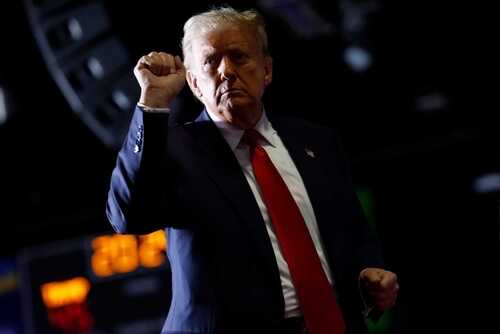
President Donald Trump’s installation as Chairman of the Kennedy Center in 2025 marks a pivotal shift in an institution long viewed as nonpartisan. Traditionally, the Kennedy Center Honors celebrated diverse contributions to American performing arts, selected by committee. Trump’s decision to personally choose the honorees—Kiss, Sylvester Stallone, George Strait, Gloria Gaynor, and Michael Crawford—signals his intent to reshape the center’s cultural direction. This move has energized supporters seeking a counterbalance to years of progressive influence while provoking resistance from critics who see it as overt politicization.
The announcement, made via a video on Truth Social, is the first of its kind under Trump’s leadership. By appointing “Special Ambassadors” like Stallone and Mel Gibson, Trump further asserts his commitment to recognizing figures who reflect traditional American values and conservative cultural leanings. The Kennedy Center’s staff and board, historically responsible for honoree selection, now operate under Trump’s directives, amplifying his influence over the event’s tone and content. Many in the conservative base view this as a long-overdue pushback against perceived leftist agendas in American arts.
Political and Cultural Ramifications Spark Nationwide Debate
The shift at the Kennedy Center has generated intense reactions from both supporters and detractors. Trump’s vocal opposition to progressive programming, coupled with his selection of mainstream and right-leaning honorees, has led to a renewed debate about the role of politics in the arts. Some commentators argue that the move undermines the center’s history of nonpartisanship and artistic independence. Others maintain that the honorees’ achievements merit recognition and that Trump’s leadership restores balance to an institution previously accused of liberal bias. The December 2025 gala, scheduled for national broadcast, is expected to be a flashpoint for cultural and political clashes.
Critics within the arts community warn that Trump’s approach threatens artistic freedom and institutional norms, citing past incidents where political tensions overshadowed the event. Supporters counter that the new direction corrects years of progressive dominance, restoring emphasis on American exceptionalism and traditional values. The media, arts community, and political figures continue to dissect the implications, with some predicting possible boycotts or protests and others anticipating increased support from donors aligned with Trump’s vision.
President Donald J. Trump announces the incredible artists who will be honored this year at the 2025 Kennedy Center Honors! pic.twitter.com/eU4wGfEbUO
— The White House (@WhiteHouse) August 13, 2025
Broader Impact on American Arts and Civic Life
Trump’s takeover of the Kennedy Center Honors sets a precedent for direct political intervention in major cultural institutions. Short-term effects include heightened media attention and polarization, as well as uncertainty among artists and patrons about the center’s future direction. Long-term, the event may influence how other institutions structure leadership and programming, potentially leading to further politicization of the arts sector. The Kennedy Center’s reputation as a nonpartisan space is being challenged, prompting broader reflection on the intersection of culture, politics, and American identity.
The honorees and their supporters stand to gain increased visibility, while those feeling marginalized by the shift express concern over the loss of artistic independence. The gala’s outcome and public response will likely shape future debates over the role of patriotism, tradition, and political leadership in defining cultural excellence. With Trump at the helm, the Kennedy Center Honors have become a microcosm of the national struggle over values, identity, and the boundaries of political influence in civic life.
Industry experts, cultural historians, and political analysts agree: Trump’s direct intervention is unprecedented in Kennedy Center history. While some warn of risks to institutional integrity, others welcome the change as a necessary correction. All major details, including honoree selection and event timing, are confirmed by multiple reputable sources. The coming months will reveal whether Trump’s vision for the Kennedy Center becomes a model for other institutions or a cautionary tale about the cost of politicizing American culture.
Sources:
President Trump Spotlights 2025 Kennedy Center Honorees