

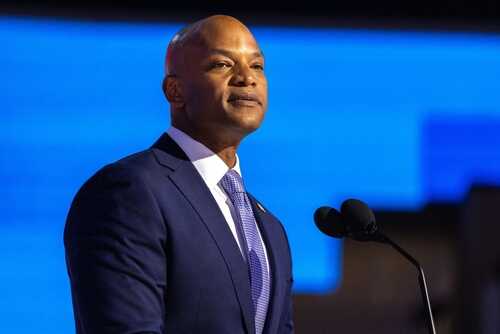
Maryland’s Democratic legislature has defied their own governor to ram through a divisive reparations commission, exposing deep fractures within the party while forcing taxpayers to fund yet another costly government study.
Story Overview
- Maryland lawmakers override Governor Wes Moore’s veto to establish slavery reparations commission
- Democratic Party splits as Black governor opposes legislature’s reparations push
- Taxpayers face new costs for government study with unclear outcomes
- Commission given formal authority to recommend reparations payments and policies
Legislature Overrides Governor’s Opposition
Maryland’s Democratic-controlled legislature successfully overrode Governor Wes Moore’s veto to establish the Maryland Reparations Commission. The override vote demonstrates the legislature’s determination to pursue reparations despite opposition from their own party’s governor. Moore, who is Black, had vetoed the legislation, creating an unusual political divide within Democratic ranks. The commission will now study slavery reparations and develop recommendations for addressing what supporters call “historic and ongoing harms.”
Maryland overrides @GovWesMoore Veto Creates Reparations Commission pic.twitter.com/alhKj74mad
— ReUPs™ (@_Re_UPS) December 16, 2025
Commission Structure and Authority
The newly established commission receives formal government authority to investigate reparations options and present policy recommendations. Unlike informal study groups, this body operates with legislative backing and defined timelines for delivering results. The commission’s mandate includes examining both historical slavery impacts and contemporary effects on Maryland residents. Supporters argue the structured approach ensures thorough analysis, while critics question whether government resources should fund divisive studies rather than address immediate community needs.
Political Implications and Costs
The veto override reveals significant tensions within Maryland’s Democratic establishment, with the legislature rejecting their governor’s judgment on racial policy. Moore’s opposition surprised many observers who expected unified Democratic support for reparations initiatives. The commission will require taxpayer funding for staff, research, and operations, adding to government expenses during ongoing fiscal challenges. The episode highlights broader national debates over reparations as similar proposals emerge in other Democratic-controlled states.
Community Response and Next Steps
The commission’s establishment generates mixed reactions from Maryland residents and political observers nationwide. Supporters view the override as necessary progress toward addressing historical injustices through systematic study and recommendations. Critics question the practical benefits of another government commission while expressing concerns about potential costs and divisive outcomes. The commission now begins its work with legislative authority but faces the challenge of producing meaningful recommendations that can gain broader public support beyond the legislature.
This development positions Maryland among states pursuing reparations studies, though the unusual circumstances of overriding a Democratic governor’s veto sets it apart from other initiatives. The commission’s eventual recommendations will test whether legislative enthusiasm translates into actionable policies with public backing.
Sources:
Maryland Lawmakers Override Moore Veto, Approve Commission to Study Slavery Reparations
Maryland Overrides Governor Slavery Reparations Commission
Maryland lawmakers override vetoes on reparations, data centers and climate studies