

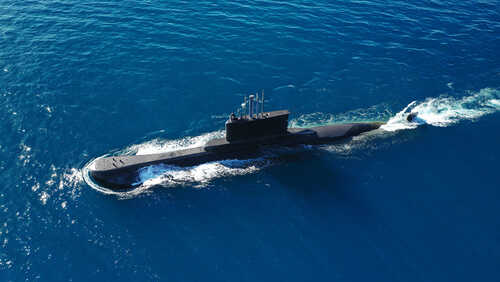
The U.S. Navy’s next-generation attack submarine—the SSN(X)—won’t hit the water until at least 2040, leaving America’s undersea dominance in jeopardy and taxpayers on the hook for billions more as the program stalls under the weight of runaway costs and government mismanagement.
At a Glance
- The Navy’s SSN(X) submarine program has been delayed to 2040, creating a potential decade-long production gap.
- The delay threatens thousands of high-skilled jobs at shipyards in Connecticut, Rhode Island, and Virginia.
- America’s fragile submarine industrial base, including thousands of small suppliers, faces a crisis of lost work and skills.
- Critics warn the delay will not only weaken national security but also devastate the American workforce that supports it.
The Shipyard Squeeze: A Looming Jobs Crisis
The decision to delay the Navy’s next-generation SSN(X) submarine until 2040 is not just a strategic blunder; it is a direct threat to thousands of American jobs. The nation’s only two nuclear-capable shipyards—General Dynamics Electric Boat in New England and HII’s Newport News Shipbuilding in Virginia—employ tens of thousands of skilled workers. These communities now face a “production valley” that could lead to devastating layoffs.
A recent Congressional Research Service (CRS) report highlighted the fragility of this industrial base. The shipyards are already struggling to meet current demands. A decade-long gap before the next major program begins could cripple the workforce and the local economies that depend on it.
Losing a Generation of Irreplaceable Skills
This isn’t just about jobs; it’s about losing a generation of irreplaceable skills. The U.S. is already facing a severe shortage of skilled tradespeople like master welders, pipefitters, and electricians who are essential for building nuclear submarines.
A long production gap means there will be no new work to train the next generation. These are not skills that can be taught overnight in a classroom. If today’s master craftsmen retire without apprentices to pass their knowledge to, that expertise will be lost forever, making it exponentially more difficult and expensive for America to ever ramp up production again.
A Ripple Effect Through America’s Heartland
The crisis extends far beyond the coastal shipyards. The U.S. submarine supply chain is a vast network of over 5,000 smaller companies located in all 50 states. These businesses in America’s heartland, which provide everything from high-strength steel to complex electronics, depend on a steady stream of orders.
The delay of a major program like SSN(X) sends a shockwave through this entire ecosystem, threatening small and medium-sized businesses across the country. The Pentagon’s failure to manage its programs and budgets is not just a Washington problem; it’s a direct economic threat to communities from coast to coast.