

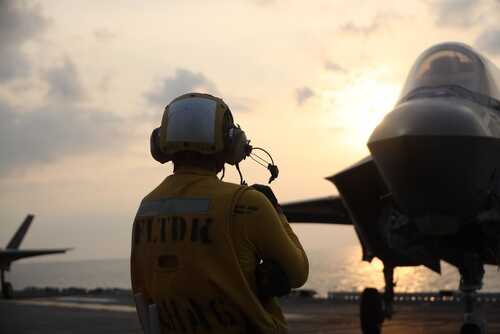
Aviation mishaps soar amid high-risk Red Sea operations, raising alarms over military readiness.
Story Highlights
- Navy and Marine aviation accidents doubled in FY2025.
- Four mishaps linked to Red Sea combat operations.
- High operational tempo cited as a contributing factor.
- Investigations reveal communication and equipment failures.
- Navy faces scrutiny over deployment length and safety.
Significant Rise in Aviation Mishaps
The U.S. Navy and Marine Corps experienced a notable increase in Class-A aviation accidents during Fiscal Year 2025, with incidents doubling compared to the previous year. According to the Naval Safety Command, there were 14 Class-A mishaps involving Navy and Marine aviation, up from eight in 2024. The majority of these, 12 in total, occurred in flight operations with significant material and operational implications.
Among these accidents, four were directly linked to combat operations in the Red Sea, particularly those involving the USS Harry S. Truman strike group. These incidents included friendly fire and issues during carrier landings. The increased operational tempo driven by extended deployments in high-threat environments is believed to have contributed to the rise in accidents, despite the low fatality rate.
Operational Challenges in the Red Sea
The Red Sea operations, initiated in response to Houthi attacks on shipping, have placed significant strain on U.S. naval forces. The USS Truman strike group, tasked with air defense and strategic strikes, faced a demanding operational tempo that led to increased fatigue and equipment wear. This environment has been marked by hazardous conditions, including missile threats and the need for evasive maneuvers, further exacerbating the risk of accidents.
Despite the challenges, the Navy has maintained that all actions were within standard procedures, though investigations have highlighted causal factors such as brake failures and poor communication between flight and hangar decks. The Navy’s current stance suggests no immediate changes to operational procedures, but there is growing pressure to reassess deployment lengths and maintenance practices.
Implications for Military Operations
The surge in aviation mishaps has not only raised concerns over military readiness but also highlighted the broader implications of high-tempo operations. With aviation accidents becoming more frequent, there is an urgent need to address the underlying issues of fatigue and material degradation. The financial impact, with each lost F/A-18 costing over $60 million, adds another layer of complexity to an already strained military budget.
RT @velitesgear | Full Text Article: https://t.co/Y1RUUWtpYB | Author: @TaskandPurpose Navy and Marine aviation accidents doubled amid Red Sea fight
The number of major accidents in Navy and Marine aviation nearly doubled in 2025 from the previous year, though only two sailor…
— Velit.es (@velitesgear) January 15, 2026
As the Navy continues to navigate these challenges, the focus remains on ensuring the safety and effectiveness of its forces while balancing the demands of extended combat deployments. The situation underscores the critical need for strategic evaluation and potential policy shifts to mitigate future risks.
Sources:
Navy and Marine Aviation Accidents Doubled Amid Red Sea Fight
U.S. Navy Accidental Deaths Report
Navy Releases Truman Carrier Strike Group Investigations