President Trump delivered a Christmas Day strike against ISIS terrorists in Nigeria, marking a bold new chapter in America’s fight against Islamic extremism while pressuring foreign governments to protect Christian communities.
Story Highlights
- U.S. forces launched over a dozen Tomahawk cruise missiles against ISIS targets in northwest Nigeria on December 25, 2025
- Trump announced the operation as a “Christmas gift” to ISIS, linking counter-terrorism to protection of Christian communities
- Multiple ISIS terrorists were killed according to U.S. Africa Command initial assessments
- The strikes followed Trump’s November threat to cut U.S. aid unless Nigeria better protects Christians from persecution
Trump’s Christmas Message to Terror
President Donald Trump ordered precision strikes against ISIS forces in northwest Nigeria on Christmas Day 2025, utilizing over a dozen Tomahawk cruise missiles to eliminate multiple terrorists. U.S. Africa Command confirmed the successful operation on December 26, reporting that initial assessments showed multiple ISIS fighters were killed in the coordinated assault. Trump announced the operation on Truth Social, characterizing it as a symbolic “Christmas gift” to the Islamic terror group.
The strikes targeted ISIS West Africa Province affiliates operating in Nigeria’s violence-plagued northwest region, where terrorist groups have exploited weak governance and poverty to establish operational bases. Secretary of Defense Pete Hegseth supported the administration’s strong messaging to ISIS, emphasizing America’s commitment to eliminating terrorist threats wherever they emerge. The operation represents Trump’s forceful approach to counter-terrorism, combining military action with diplomatic pressure to achieve broader strategic objectives.
🚨🇺🇸🇳🇬 US LAUNCHES TOMAHAWK STRIKES ON ISIS CAMPS IN NIGERIA ON CHRISTMAS DAY
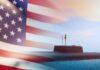
According to US and Nigerian officials, a US Navy warship in the Gulf of Guinea launched over a dozen Tomahawk cruise missiles at two ISIS-Sahel Province camps in Sokoto State on Christmas Day.
— British Intel (@TheBritishIntel) December 26, 2025
Linking Aid to Religious Freedom Protection
Trump’s November 2025 ultimatum to Nigeria established the groundwork for military action, threatening to cut U.S. aid unless the African nation improved protection for Christian communities facing persecution. The president ordered Pentagon officials to prepare military options while demanding accountability from Nigerian authorities regarding systematic violence against Christians. This approach reflects conservative principles of leveraging American resources to protect religious liberty and human rights globally.
Nigerian officials have rejected claims of systematic Christian persecution, describing the strikes as a collaborative operation based on shared intelligence rather than religious discrimination. The complexity of Nigeria’s security challenges extends beyond religious lines, with ISIS affiliates and Boko Haram targeting both Muslim and Christian communities since 2009. Over 35,000 deaths and 2 million displaced persons underscore the severity of the terrorist threat facing Nigeria’s civilian population regardless of faith.
Strategic Impact and Regional Implications
The Christmas strikes signal Trump’s aggressive Africa policy, potentially influencing future counter-terrorism operations across the Sahel region where ISIS and affiliated groups maintain active cells. U.S. military officials acknowledge that while the strikes disrupted immediate terrorist operations, lasting impact requires addressing underlying governance weaknesses and poverty that enable extremist recruitment. The operation demonstrates American military superiority through precision targeting while maintaining limited scope to avoid broader conflict escalation.
Short-term implications include heightened tensions between Washington and Abuja over aid conditions and religious freedom narratives, with potential reviews of assistance programs supporting Nigerian counter-insurgency efforts. The strikes may deter future attacks but risk unintended radicalization if perceived as targeting Muslim communities rather than specific terrorist threats. Trump’s approach prioritizes immediate action against terrorism while leveraging military success to advance broader diplomatic objectives protecting American values and allied Christian populations.