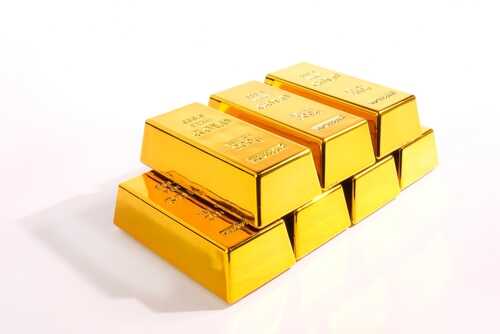
Gold’s explosive 2025 rally above $4,500 an ounce has quietly propelled China’s yuan into a top global trade, signaling investors’ rush away from the weakening U.S. dollar amid de-dollarization threats.
Story Highlights
- Gold surged 55% in 2025, breaking $4,000 in October and hitting $4,500 by year-end, driven by trade tensions and central bank buying.
- China’s offshore yuan (CNH) emerged as the breakout currency, fueled by gold links, capital inflows, and USD diversification.
- People’s Bank of China gold purchases accelerated de-dollarization, boosting yuan demand among macro funds and investors.
- Fed easing expectations and tariff fears weakened the dollar, redirecting flows to Asian currencies tied to commodities.
- This shift underscores gold’s role as a hedge against U.S. policy uncertainties in President Trump’s tariff era.
Gold’s Record 2025 Rally
Spot gold surpassed $4,000 per ounce in October 2025, marking a 55% year-to-date gain. Prices climbed further to above $4,500 by December, setting all-time records. Trade concerns, tariff risks, and reduced U.S. dollar demand propelled this surge. Expectations of Federal Reserve rate cuts added momentum, as investors sought hedges against inflation and geopolitical tensions. Central banks, led by emerging markets, ramped up purchases, solidifying gold’s reserve asset status.
China’s Yuan Emerges as Breakout Trade
Investors turned to China’s offshore yuan (CNH) for exposure to surging gold while diversifying from the U.S. dollar. The yuan saw outsized appreciation and strong capital inflows, outperforming Asian peers. Linked to China’s massive gold imports and People’s Bank of China reserve builds, CNH became a focal point for global macro funds. This quiet shift highlighted cross-asset dynamics, where commodity strength reshaped foreign exchange rankings without explicit policy changes.
Singapore’s dollar served as a secondary beneficiary through its wealth-management hub status, but CNH led due to direct central bank ties. Japanese yen lagged amid yield differentials. Macro hedge funds exploited these correlations, blending gold hedges with Asian growth bets.
De-Dollarization and Central Bank Drivers
Central banks, especially China’s PBoC, became net gold buyers in the 2020s to reduce USD reliance. This trend structurally supported prices and tied gold to non-Western currencies like the yuan. In 2025, heavy emerging market buying amid Fed easing expectations eroded dollar dominance. Investors reallocated to Europe, Asia, and select emerging markets, pressuring USD and lifting gold-linked currencies.
Gold's record-setting rally quietly turned an Asian currency into this year's breakout trade https://t.co/fumTHrl1mW
— Gold Eagle Price (@goldeagleprice) December 23, 2025
President Trump’s tariff policies heightened trade fears, further boosting gold as a safe haven. This environment challenged U.S. financial hegemony, validating conservative warnings on fiscal mismanagement and globalist overreach. American savers eyeing portfolio protection now watch these flows closely.
Market Impacts and Investor Shifts
Portfolio rebalancing accelerated, with funds cutting USD assets for gold and yuan positions. Asian bonds and equities tied to CNH saw inflows, compressing yields. Exporters in China faced appreciation pressure, prompting potential interventions. Long-term, gold’s rally reinforces its portfolio role, incrementally elevating Asian currencies in global hierarchies.
For U.S. investors frustrated by past inflation and dollar volatility, gold and yuan trades offer diversification. Yet, they signal risks from de-dollarization efforts by adversaries like China. Staying informed helps navigate these threats to American economic strength under President Trump’s leadership.
Sources:
Gold’s Record Rally Is Helping China Challenge Trump and …