
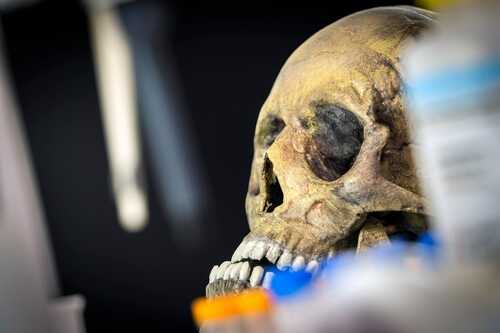
A shocking discovery of over 100 human skulls in a Pennsylvania home has exposed a disturbing underground network trafficking stolen remains from cemeteries and medical institutions, raising serious questions about gaps in laws protecting the sanctity of burial sites.
Story Overview
- Pennsylvania man arrested after authorities discover over 100 human skulls and remains in his home
- Investigation reveals multi-state trafficking network involving stolen remains from cemeteries and medical institutions
- Suspect faces serious felony charges including institutional vandalism and desecration of corpses
- Case exposes regulatory gaps allowing underground trade in human remains across state lines
Massive Human Remains Discovery Shocks Community
Pennsylvania law enforcement executed a search warrant that uncovered a macabre collection spanning the suspect’s home and outbuildings. The remains were reportedly displayed as décor and stored in containers, creating what authorities describe as one of the most disturbing crime scenes in recent memory. Federal investigators now believe this case represents just one node in a broader criminal enterprise trafficking human remains across multiple states through online marketplaces.
The investigation began when law enforcement in another state discovered stolen remains being sold illegally. Communications and shipping records linked those sales to the Pennsylvania resident, triggering the search warrant. Authorities are working to identify each skull and bone fragment, attempting to match them with missing remains from institutional inventories and cemetery records.
Serious Criminal Charges Under Pennsylvania Law
The suspect faces multiple felony charges under Pennsylvania’s strict burial protection statutes. Institutional vandalism under Pennsylvania law carries third-degree felony penalties when it involves desecration of cemeteries or causes significant financial loss. The state’s desecration statutes specifically protect venerated objects, including burial sites and memorials, recognizing the special moral and legal status of human remains.
Pennsylvania’s comprehensive burial grounds framework establishes clear expectations for permanent disposition of remains in authorized cemeteries. The criminal charges also include receiving stolen property and abuse of corpse, reflecting the state’s recognition that human remains deserve protection beyond ordinary property crimes. These laws exist to preserve both family rights and community standards regarding respectful treatment of the deceased.
Underground Market Exploits Regulatory Gaps
This case highlights a disturbing trend where online platforms facilitate trade in “osteological specimens” with minimal oversight. While some legitimate medical and educational institutions legally de-accession anatomical specimens, criminal enterprises exploit these gray areas to traffic stolen remains. The suspect allegedly participated in private Facebook groups and specialized forums where human bones are bought, sold, and traded across state lines.
Over 100 human skulls found at home of Pennsylvania man accused of desecrating cemeteries https://t.co/XfVqMOAqsG https://t.co/DV3BwYdzg1 #Pennsylvania #Cemetery pic.twitter.com/5z8uiJuVnR
— Ansarpress (@ansarpress1) January 9, 2026
Federal law enforcement is investigating whether commercial carriers were misused to ship human remains with false declarations. The fragmented regulatory landscape allows criminal networks to exploit jurisdictional gaps, moving stolen remains from morgues and medical schools to private collectors. This case demonstrates how weak federal oversight of human remains trade enables disrespect for burial traditions and family rights.
Sources:
Connecticut General Assembly – Bill Summary on Cemetery Desecration Laws
Pittsburgh Criminal Attorney – Institutional Vandalism Defense
Pennsylvania Statutes – Institutional Vandalism Law
Pennsylvania Burial Grounds Statutes