
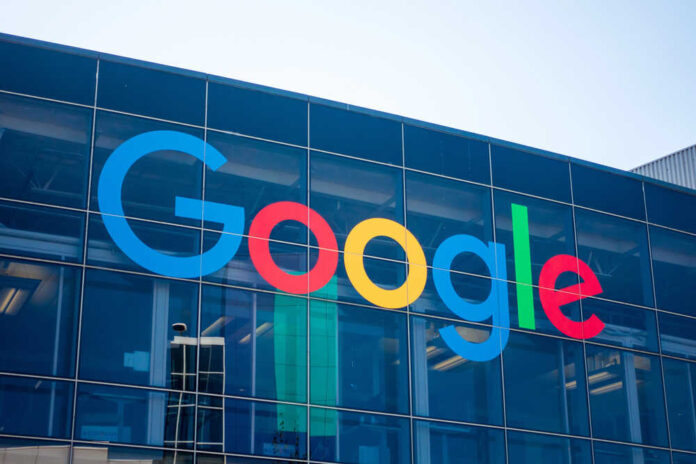
In a stunning revelation, Google admits to censoring Americans at the request of the Biden administration, raising alarms about free speech and governmental overreach.
Story Highlights
- Google confesses to censoring Americans under Biden’s pressure.
- Hillary Clinton criticizes Trump on free speech despite Democratic censorship.
- Congressional scrutiny on tech companies’ collusion with the government intensifies.
- The debate over First Amendment rights and tech regulation heats up.
Google’s Admission of Censorship
On September 23, 2025, Google admitted to the House Judiciary Committee that it had censored legal speech on YouTube at the behest of the Biden administration. This revelation has sparked significant debate about the implications of governmental influence over tech companies and the potential erosion of First Amendment rights. The admission points to a concerning trend where political pressures can override corporate policies, affecting the content available to the public.
Google’s actions are particularly troubling for conservatives who champion free expression and view such censorship as a direct attack on constitutional liberties. The tech giant’s confession coincides with ongoing congressional investigations into more extensive government-tech collusion, further fueling the debate over free speech in digital spaces.
Breaking: Google admits to censorship demanded by Biden pic.twitter.com/LB2PiTBSNj
— BPaul ™️🇺🇸🏴☠️🇺🇸 (@JeepPrairie) September 24, 2025
Clinton’s Critique Amid Democratic Censorship
Just a day after Google’s disclosure, Hillary Clinton appeared on MSNBC’s “Morning Joe,” accusing Donald Trump of employing authoritarian tactics to suppress free speech. Her comments have been perceived as hypocritical by many, considering the timing with Google’s admission of Democratic pressure to censor speech. Clinton’s stance has intensified scrutiny of her party’s involvement in tech censorship, with critics highlighting a selective concern for free speech issues.
This juxtaposition of Clinton’s allegations against Trump with the Democratic-led censorship practices has sparked discussions about the integrity and consistency of free speech advocacy. The narrative suggests a double standard where criticisms are levied against political opponents while similar actions by one’s own party are overlooked or justified.
Broader Implications for Free Speech
The revelations about Google and the Democratic administration’s influence raise significant questions about the future of free speech in the United States. The involvement of tech platforms in moderating content under governmental pressure has far-reaching implications for public discourse and the protection of constitutional rights. There is a growing call for transparency and accountability from tech companies, as well as potential legislative measures to safeguard free speech online.
As the debate continues, it is crucial for policymakers, tech companies, and the public to engage in thoughtful discussions about the balance between content moderation and free expression. The ongoing congressional investigations and public discourse will likely shape the landscape of digital communication and the extent of government involvement in the coming years.In the current climate of heightened political polarization, these issues underscore the importance of protecting the free exchange of ideas while addressing legitimate concerns about harmful content. The challenge lies in developing policies that uphold constitutional values without stifling innovation or infringing on individual liberties.
Sources:
CT Post: Hillary Clinton Slams RFK Jr. and the Spread of ‘Crackpot Ideas’