
A new presidential directive empowers U.S. agencies to defund, debank, and prosecute far‑left extremists at home and abroad.
Story Highlights
- The White House issued National Security Presidential Memorandum 7 to target far-left terrorism.
- Four violent far-left groups were designated as Foreign Terrorist Organizations in 2025.
- New visa rules block foreign nationals who fund or enable these networks.
- Media critics question evidence and warn about civil liberties risks.
Rubio and Miller Outline a Government-Wide Crackdown
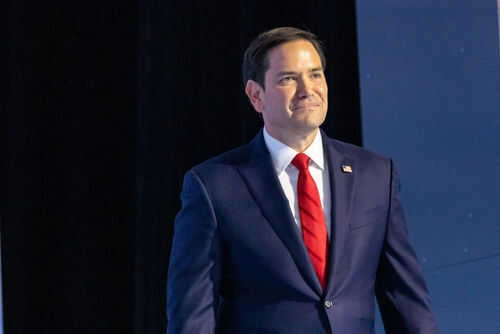
Secretary of State Marco Rubio and senior adviser Stephen Miller told a State Department gathering on July 16 that the administration is moving fast against far-left political violence. They cited a formal White House directive, National Security Presidential Memorandum 7, that authorizes agencies to identify, disrupt, defund, debank, arrest, and prosecute extremists. Rubio said the policy aims to cut off financing, shut safe houses, and stop cross-border coordination that threatens civilians and U.S. interests.
The State Department also announced tighter visa screening for foreign nationals who finance, recruit, incite, or enable violent far-left networks. Officials said the rules take effect immediately and would be used to deny entry and revoke visas when evidence shows material support or operational help. Rubio said the United States will share information with partners to keep suspects off planes and out of financial systems linked to the U.S. dollar, tightening the pressure across borders.
Terror Listings and Financial Squeeze Target Operational Lifelines
Rubio highlighted that the State Department designated four violent far-left groups as Foreign Terrorist Organizations in November 2025. That move blocks access to the U.S. financial system, triggers criminal penalties for material support, and enables asset freezes. The department paired the listings with a Rewards for Justice offer of up to ten million dollars to identify funders and facilitators tied to these groups, signaling a strategy that hits money flows first and fast.
Officials said the strategy includes stronger bank compliance and closer work with the Treasury Department’s sanctions and anti-money laundering teams. Rubio framed this as necessary because extremists often rely on front groups, encrypted chats, and donor networks. He argued that choking off the financing is the surest way to prevent travel, training, and attacks before they form. He urged allied governments to mirror these steps and pass laws that align with existing U.S. terror finance tools.
Claims of Rising Violence, Global Links, and Specific Incidents
Miller warned of an eight-thousand percent surge in assaults on Immigration and Customs Enforcement officers and cited sniper fire in Dallas as an example. He and Rubio described encrypted communications, shared safe houses, and funding lines that cross borders. They also pointed to deadly incidents in Greece, Germany, and France to show harm to seniors and bystanders. These claims came in speeches and were not paired with public court records or declassified intelligence at the event.
@courtdefenders 17-Jul-26 email
"Ahead of Trump’s national address tonight, Marco Rubio and Stephen Miller hosted an ominous press event on the “resurgence of political terrorism.”
Both Miller and Rubio delivered chilling remarks, vowing to use NSPM-7, a national security…— Sláinte – JohnLone Ranger (@1stSvelteCelt) July 17, 2026
Rubio further said hostile states, including Iran and Cuba, connect to far-left extremist networks. He cited past patterns and intelligence briefings to make the case for sanctions and visa bans. Reporters and outside experts pressed for the underlying documents. Public sources available during the conference did not include declassified case files or indictments that directly detail state sponsorship, leaving those claims based on official remarks rather than released evidence.
Pushback From Media and Civil Liberties Groups
Major outlets described the focus on far-left terrorism as new and politically charged. Reuters reported that civil liberties groups fear the designations and the broader strategy could reach into lawful protest or political speech. Critics said the conference produced few specifics on new global partners and questioned whether the policy sidelines other threats. The State Department did not announce new terrorist designations at the event, despite saying more could come soon.
One advocacy group published documents alleging officials targeted students over protected speech tied to Palestine, raising First Amendment concerns. The claim adds political heat around the policy’s enforcement thresholds and process. The administration counters that the directive focuses on violence and its enablers, not ideas. Officials say the tools used—terror listings, visa denials, and financial blocks—require evidence of material support, not mere association or belief.
What This Means for Readers and What to Watch Next
For families, churches, and small businesses, the plan’s promise is simple: stop violent actors before they strike by cutting money and mobility. For gun owners and constitutional conservatives, the key test is whether agencies stick to criminal conduct and avoid policing beliefs. Watch for concrete indictments under the directive, new sanctions or terror listings, and any declassified reports that link foreign states to these networks. Those steps will show scope, proof, and staying power.
Also watch banks and payment platforms. If compliance rules expand, groups with even loose ties could face account closures or lost services. That can stop bad actors fast but can also sweep in lawful groups if standards are vague. Congress will likely demand regular briefings and data on arrests, convictions, and terror finance seizures. Clear reporting will help measure results and guard against mission drift or civil liberties overreach.
Sources:
cubacenter.org, reuters.com, youtube.com, washingtonpost.com, npr.org, abcnews.com, facebook.com