
U.S. Navy launches naval blockade of Iranian ports at 10 a.m. ET today, enforcing President Trump’s direct order after failed peace talks, risking global energy chaos from the vital Strait of Hormuz.
Story Snapshot
- U.S. Central Command activates partial blockade targeting Iranian ports in Arabian Gulf, Gulf of Oman, and Arabian Sea, sparing non-Iranian transit.
- Trump announces action via Truth Social post-midnight, claiming Iran’s navy obliterated with 158 ships sunk amid ongoing war.
- Iran condemns move as “illegal piracy,” threatens retaliation against all Gulf ports; UK declines participation but issues advisories.
- Pakistan-mediated talks in Islamabad collapse over weekend, prompting U.S. response to Iran’s strait control and shipping impediments.
Blockade Timeline and Execution
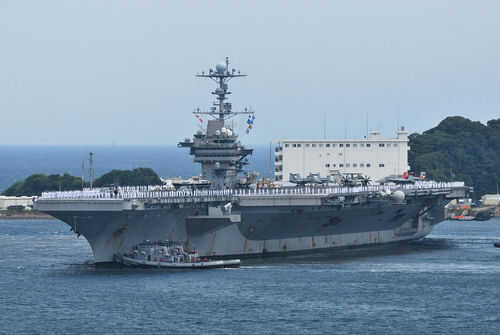
President Donald J. Trump posted on Truth Social shortly after midnight ET on April 13, 2026, announcing the U.S. Navy blockade of Iranian ports effective 10:00 a.m. ET. U.S. Central Command confirmed enforcement against all vessels entering or exiting Iranian ports and coastal areas in the Arabian Gulf, Gulf of Oman, and Arabian Sea. Non-Iranian port transit through the Strait of Hormuz remains open to preserve navigation freedom. The partial blockade activates amid an active U.S.-Iran war, directly countering Iran’s control of the strait that has slashed ship passages.
Failed Diplomacy Sparks Escalation
Marathon peace talks in Islamabad, mediated by Pakistan, collapsed April 11-12 without agreement between U.S., Iran, and Pakistani negotiators. Iran rejected U.S. demands to end uranium enrichment, dismantle facilities, cease funding to Hamas, Hezbollah, and Houthis, and fully reopen the strait. Vice President JD Vance led the U.S. delegation, stating the failure hurts Iran more. Iran imposed tolls on transiting tankers and impeded Gulf shipping, prompting Trump’s decisive naval response to restore free navigation and protect global commerce.
Stakeholder Reactions and Threats
Iran’s Khatam Al-Anbiya Central Command labeled the blockade “illegal piracy” and warned no Gulf port remains safe if Iranian ones face threats. Trump followed up post-10 a.m., declaring Iran’s navy “completely obliterated” with 158 ships sunk, excluding fast attack craft. UK Prime Minister Sir Keir Starmer declined military involvement, prioritizing a 40-nation NATO-led coalition to protect strait navigation. UK Maritime Trade Operations issued advisories enforcing restrictions on vessels engaging Iranian facilities. Pakistan monitors for further responses.
U.S. naval superiority underpins the operation, targeting Iran’s economic leverage through the oil chokepoint that carries 20% of global energy supplies. Both conservatives and liberals at home share frustration with endless foreign entanglements that spike energy costs, echoing failures of past administrations to secure American interests without bloating federal overreach. This action underscores demands for government prioritizing citizens over elite globalist agendas, yet risks inflation from disrupted oil flows hurting working families on both sides of the aisle.
Economic and Global Ramifications
Short-term surges in oil prices loom as Iranian exports halt, with potential retaliation escalating war and threatening Gulf states like Saudi Arabia and Kuwait. Long-term, full strait closure could trigger global energy crisis, fertilizer shortages, and Mideast power shifts. Shipping and oil sectors face disruptions, pressuring allies politically. Analysts warn of Iranian currency devaluation and hyperinflation, amplifying economic pain from fiscal mismanagement both parties decry. Americans weary of high energy costs see this as confronting threats head-on, though deep state hesitations abroad fuel distrust in leadership.
Sources:
U.S. military blockade on Iranian ports in the Strait of … — CBS News