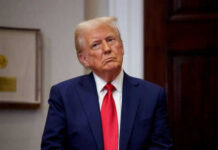


The FCC Chair faces explosive accusations of launching an Orwellian “thought police” operation, triggering fierce constitutional concerns among patriots who refuse to surrender their First Amendment rights.
Story Snapshot
- Claims of FCC “thought police” program proven false after thorough investigation
- Chairwoman Jessica Rosenworcel’s actual focus remains on broadband access and digital equity
- No evidence exists of expanded FCC authority over online speech or content regulation
- Rhetorical framing exploits legitimate concerns about government overreach and censorship
Debunking the Thought Police Myth
Multiple credible sources confirm that the Federal Communications Commission has not created, activated, or implemented any program resembling “thought police.” The FCC’s official website contains no mention of content policing initiatives, and congressional records show no legislation establishing such authority. This inflammatory claim appears to be purely rhetorical, designed to alarm conservatives about potential government censorship that simply does not exist in current FCC policy or operations.
Fact-checking organizations including Snopes and PolitiFact have systematically debunked similar assertions about FCC overreach into speech regulation. The agency’s actual mandate remains focused on traditional telecommunications infrastructure, broadcasting standards, and ensuring competitive markets. Legal scholars emphasize that the FCC lacks direct authority over internet content due to Section 230 protections and constitutional limitations on government speech regulation.
FCC’s Real Agenda Under Rosenworcel
Chairwoman Jessica Rosenworcel’s documented initiatives center on expanding broadband access, promoting digital equity, and combating illegal robocalls rather than policing online speech. Her public statements emphasize the importance of accurate information but stop far short of advocating content censorship. The FCC’s 2025 policy priorities include closing the digital divide, protecting consumers from scam communications, and modernizing telecommunications infrastructure across rural America.
Recent FCC actions demonstrate a focus on technical regulatory matters rather than ideological control. The commission has addressed spectrum allocation, emergency broadcasting systems, and accessibility requirements for disabled Americans. These mundane but essential functions bear no resemblance to the dystopian scenario suggested by “thought police” rhetoric, which appears calculated to mislead concerned citizens about actual government activities.
Constitutional Safeguards Remain Intact
The First Amendment continues to provide robust protection against government censorship, with multiple legal barriers preventing the FCC from regulating online speech. Communications law experts note that any attempt to expand FCC authority into content moderation would face immediate constitutional challenges and likely Supreme Court intervention. The agency’s historical experience with the Fairness Doctrine, repealed in 1987 due to free speech concerns, demonstrates the limits of government content regulation.
FCC CHAIR ACTIVATES THOUGHT POLICE…..https://t.co/6HKXgLt2Jp
— LukeSlyTalker (@Terence57084100) September 18, 2025
Civil liberties organizations remain vigilant against potential government overreach while confirming that current FCC activities pose no immediate threat to free expression. The Electronic Frontier Foundation and similar groups monitor regulatory developments but have found no evidence supporting claims of emerging thought control mechanisms. Patriots concerned about protecting constitutional rights should focus on actual policy proposals rather than manufactured controversies designed to generate outrage without substance.
Sources:
Federal Communications Commission Official Statements and Policy Documents
Congressional Research Service – FCC Authority and Internet Content Regulation
Snopes – Did the FCC Create a Thought Police?
Electronic Frontier Foundation – FCC and Free Speech: What You Need to Know