
Recent allegations of complicity have rocked global organizations, raising questions about their integrity and operations in conflict zones.
Story Overview
- Internal Hamas messages suggest NGOs collaborated with terrorists in Gaza.
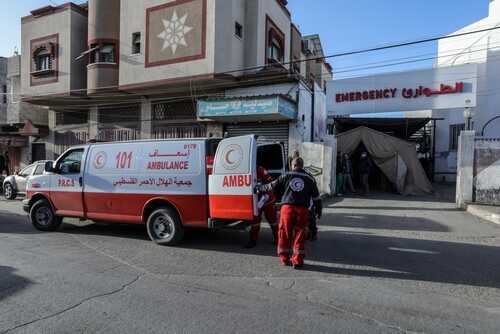
- Red Cross and Doctors Without Borders face scrutiny over alleged operations in Gazan hospitals.
- Conservatives demand accountability and transparency from international aid organizations.
- The implications for global aid credibility are significant.
Hamas Messages Raise Serious Allegations
Internal messages from Hamas have surfaced, claiming that organizations like the Red Cross and Doctors Without Borders operated alongside terrorists in Gazan hospitals. These allegations have ignited a firestorm of criticism, particularly from conservative factions concerned with national security and the integrity of international aid. The documents reportedly reveal how aid organizations were allegedly used by terrorists to shield their activities from scrutiny, raising alarm about the potential threats to global security and humanitarian neutrality.
These claims, if substantiated, could significantly tarnish the reputations of these prominent organizations, known for their humanitarian work worldwide. While Doctors Without Borders and the Red Cross have historically been respected for their commitment to providing medical aid in crises, the allegations suggest a severe breach of trust. The claim that these organizations may have unwittingly or knowingly facilitated terrorist operations could lead to a reevaluation of their roles and oversight in conflict zones.
NGO Monitor Report: “Hamas explicitly states that health facilities in Gaza are not neutral spaces, but instead play a critical role in Hamas’s terror network." > pic.twitter.com/ZvyQTfjOle
— NGO Monitor (@NGOmonitor) September 10, 2025
Call for Increased Oversight and Transparency
The conservative community has been vocal in demanding increased oversight and transparency from international organizations operating in conflict zones. There is a growing sentiment among this group that these entities should not be above scrutiny, especially when national security is at stake. The call for accountability resonates with conservative values that prioritize national security and the effective use of resources. The need for a clear framework ensuring that humanitarian efforts do not inadvertently aid hostile elements is more pressing than ever.
Furthermore, these revelations could prompt legislative action to impose stricter regulations on international aid organizations operating in high-risk areas. Conservatives argue that without proper checks and balances, such organizations might unintentionally become pawns in geopolitical conflicts, undermining their primary missions. The ongoing debate highlights the delicate balance between providing humanitarian aid and maintaining national and international security.
Implications for Global Aid and Security
The fallout from these allegations extends beyond the immediate organizations involved. The integrity of global humanitarian aid efforts is under scrutiny, potentially affecting donor trust and international cooperation. For conservatives, this situation underscores the need for a reevaluation of foreign aid policies, ensuring that assistance aligns with national interests and security imperatives. The broader impact could lead to a paradigm shift in how international aid is perceived and administered, emphasizing accountability and strategic alignment with national values.
The global community now faces the challenge of navigating these complex dynamics while ensuring that genuine humanitarian needs are met without compromising security. The discourse around this issue is likely to influence future policies and the operational frameworks of international aid organizations, potentially reshaping the landscape of global humanitarian assistance.
‼️BREAKING: Leaked docs show Hamas admits to using Gaza hospitals as terror infrastructure, in files authored by its Interior Security Mechanism and obtained by NGO Monitor. Hospitals served as command hubs while NGOs went along under Hamas rules.
Here’s what they reveal 🧵➡️ pic.twitter.com/HXI6hULYTG
— NGO Monitor (@NGOmonitor) September 10, 2025